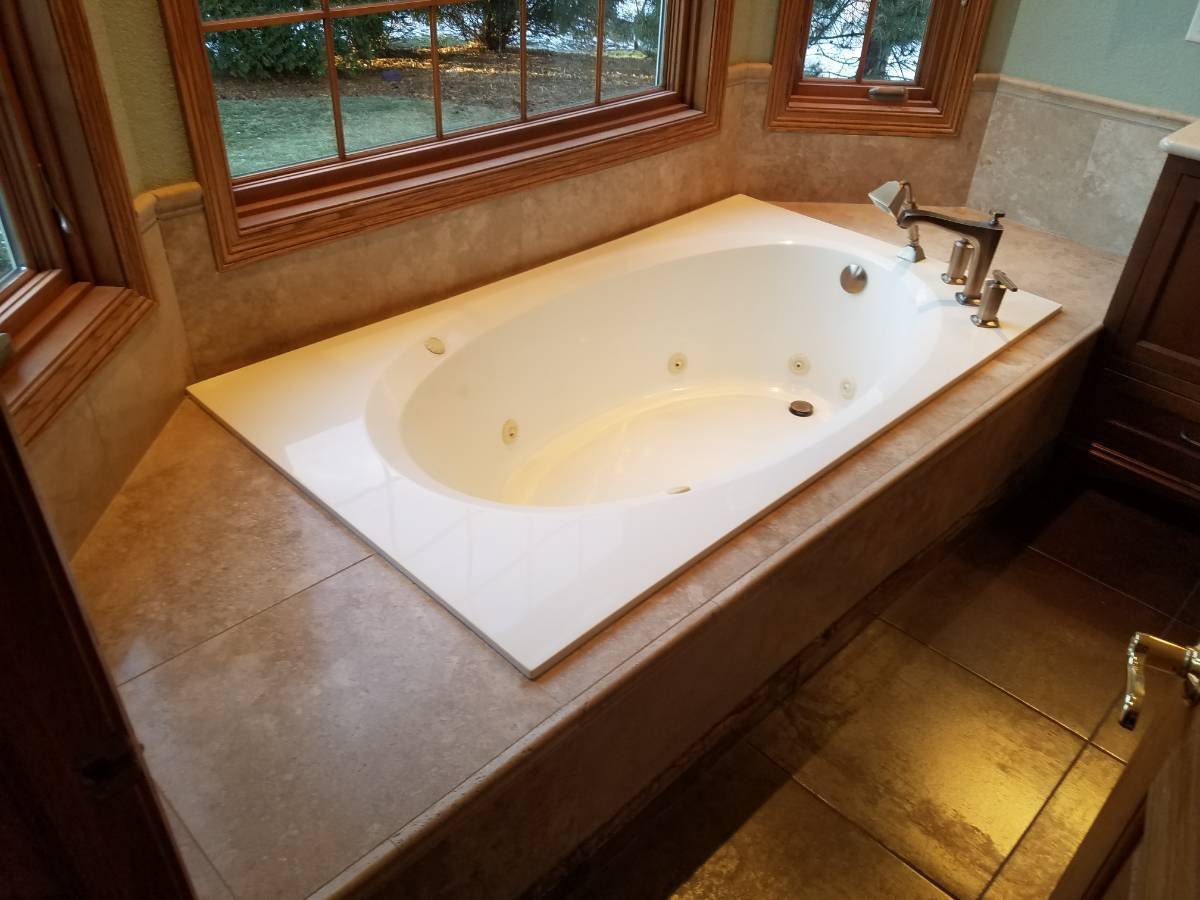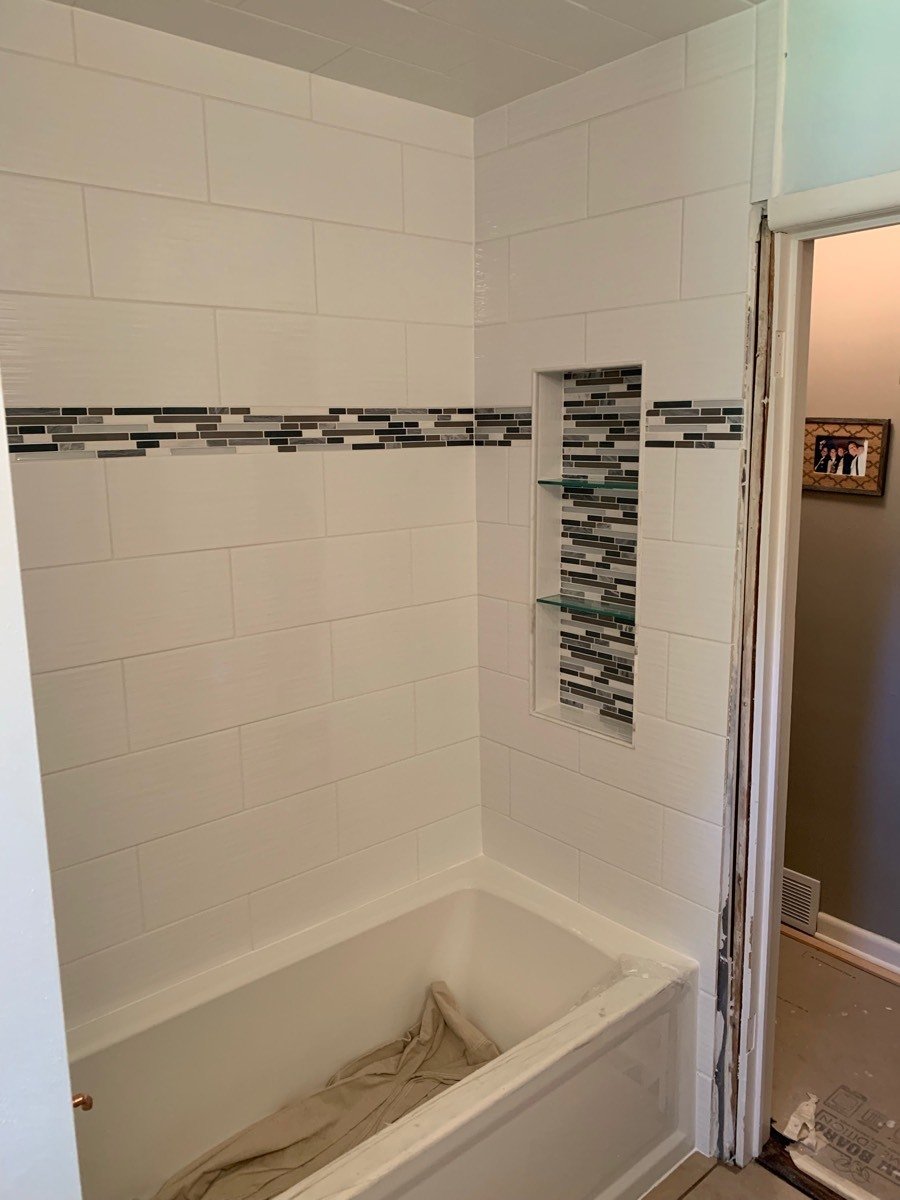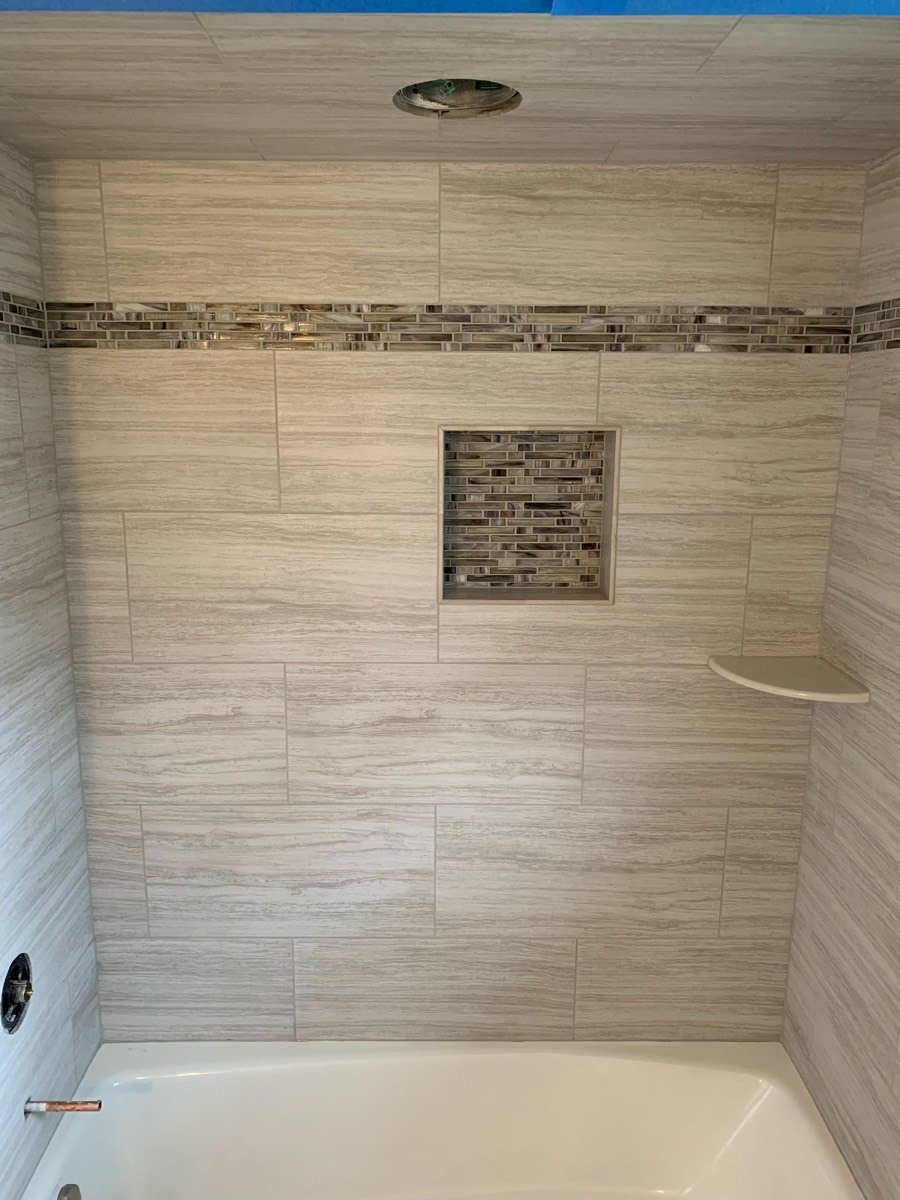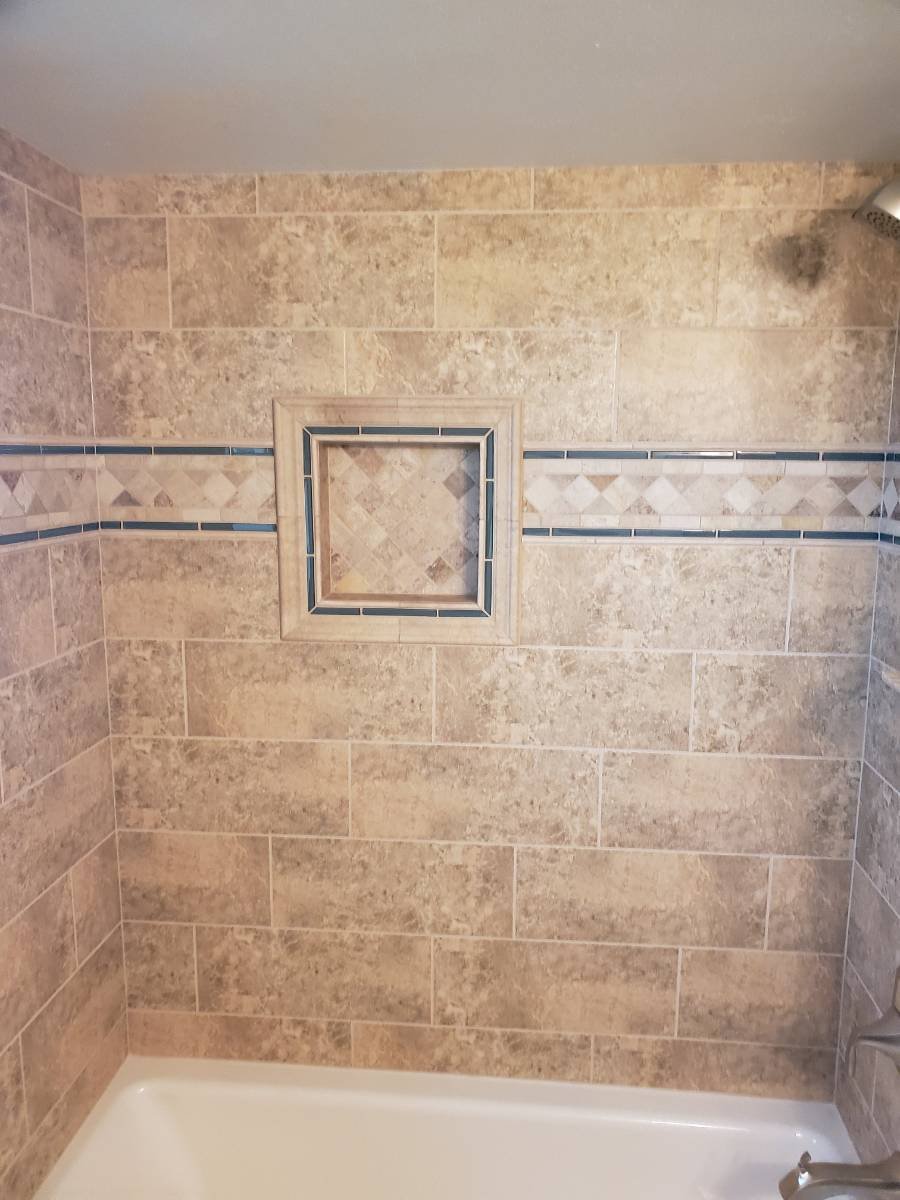
Thinking about marble look porcelain tile for your next home project? The right tile choices can change how a room looks, feels, and functions for years. Whether you are updating one area or planning a larger remodel, it helps to understand both the design possibilities and the practical installation details. In this guide, we explore marble look porcelain tile, explain what to consider before choosing materials, and share ideas to discuss with your tile installer.
What Is Marble Look Porcelain Tile?
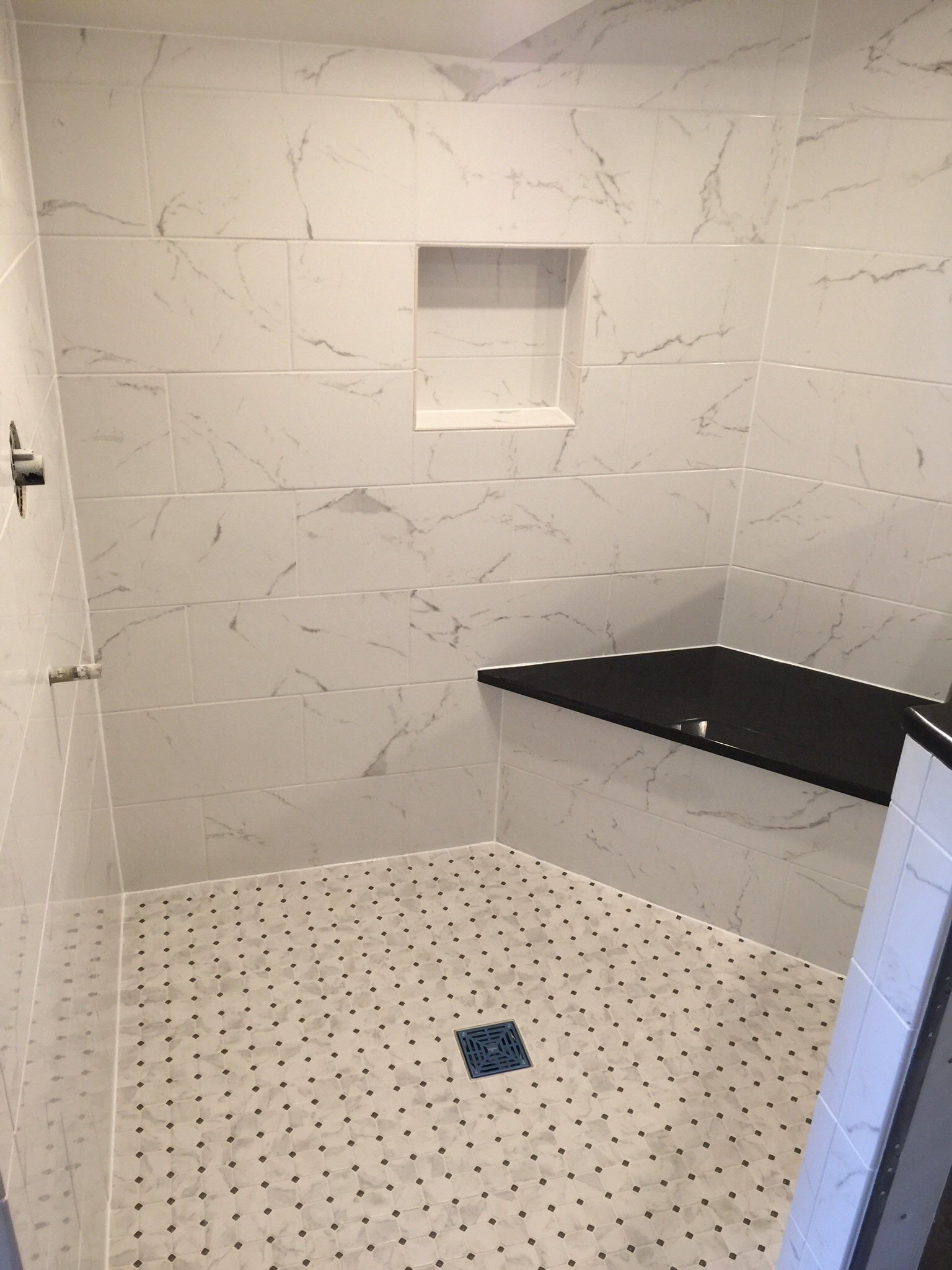
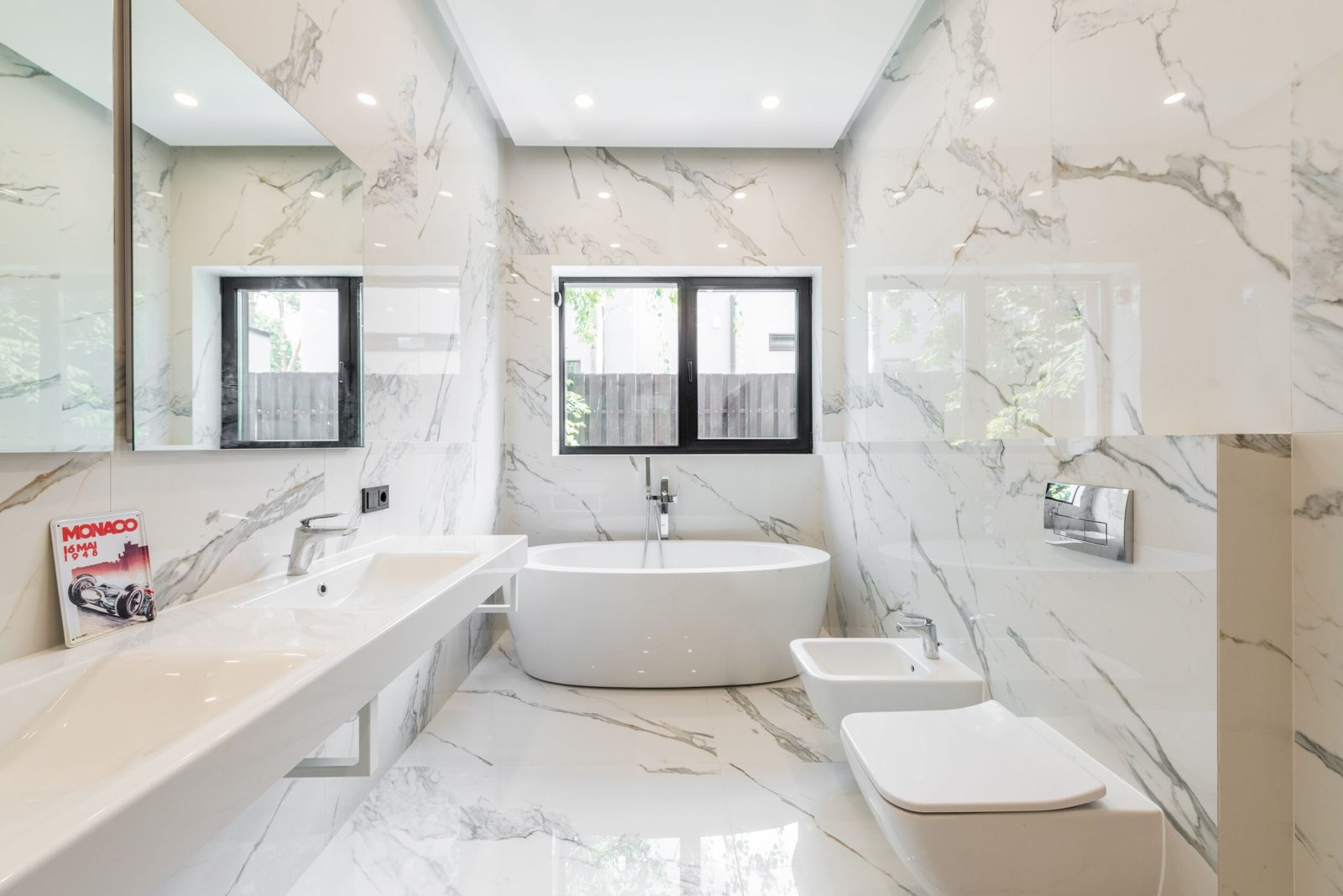
Manufacturers print stone-inspired veining and color onto porcelain, then fire the tile to create a dense, low-absorption surface. The result can evoke Carrara, Calacatta, or warmer marble styles without being quarried marble.
Because patterns are manufactured, several faces may repeat within a collection. Ask to see multiple tiles together rather than choosing from one sample.
Why Homeowners Choose It
Porcelain generally resists everyday water exposure and staining better than many natural marbles, making it practical for busy bathrooms and kitchens. It usually does not require the periodic stone sealing associated with porous marble.
You still need to clean grout and use suitable cleaners. Low-maintenance does not mean maintenance-free, especially on shower floors and heavily used countertops or walls.
Where Marble Look Tile Works Best
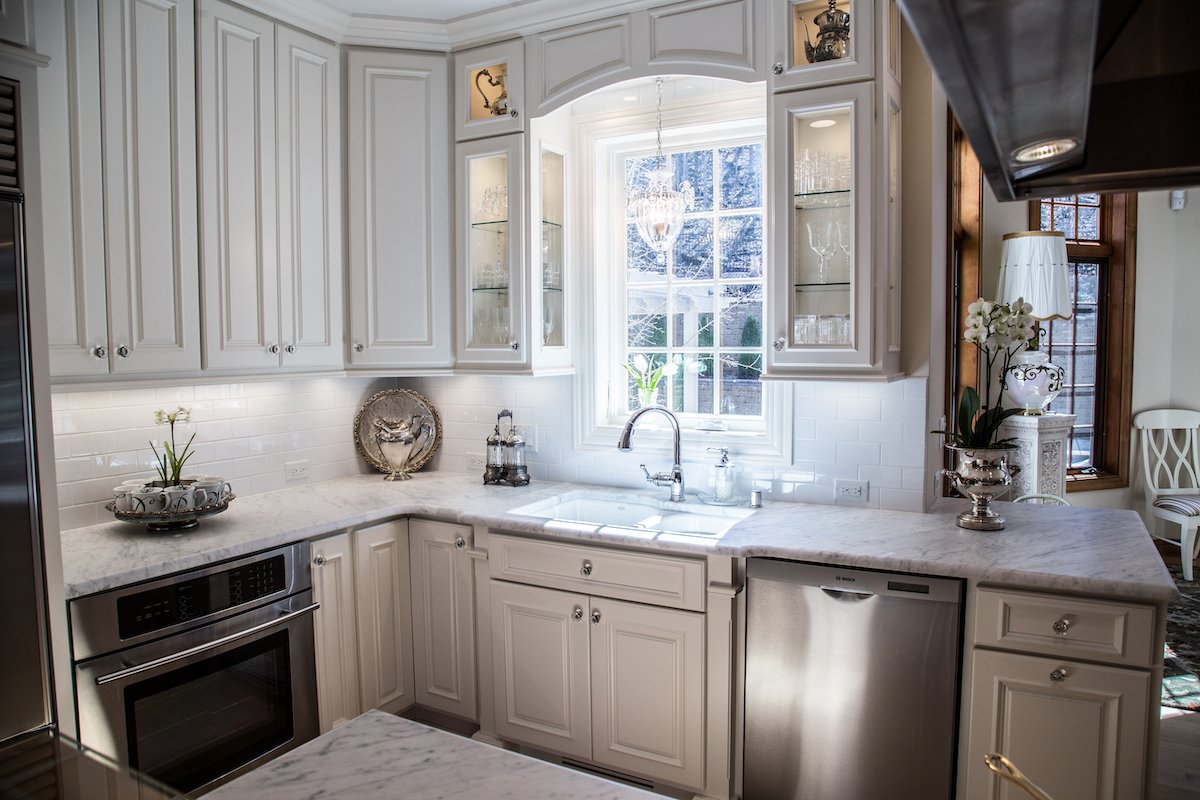
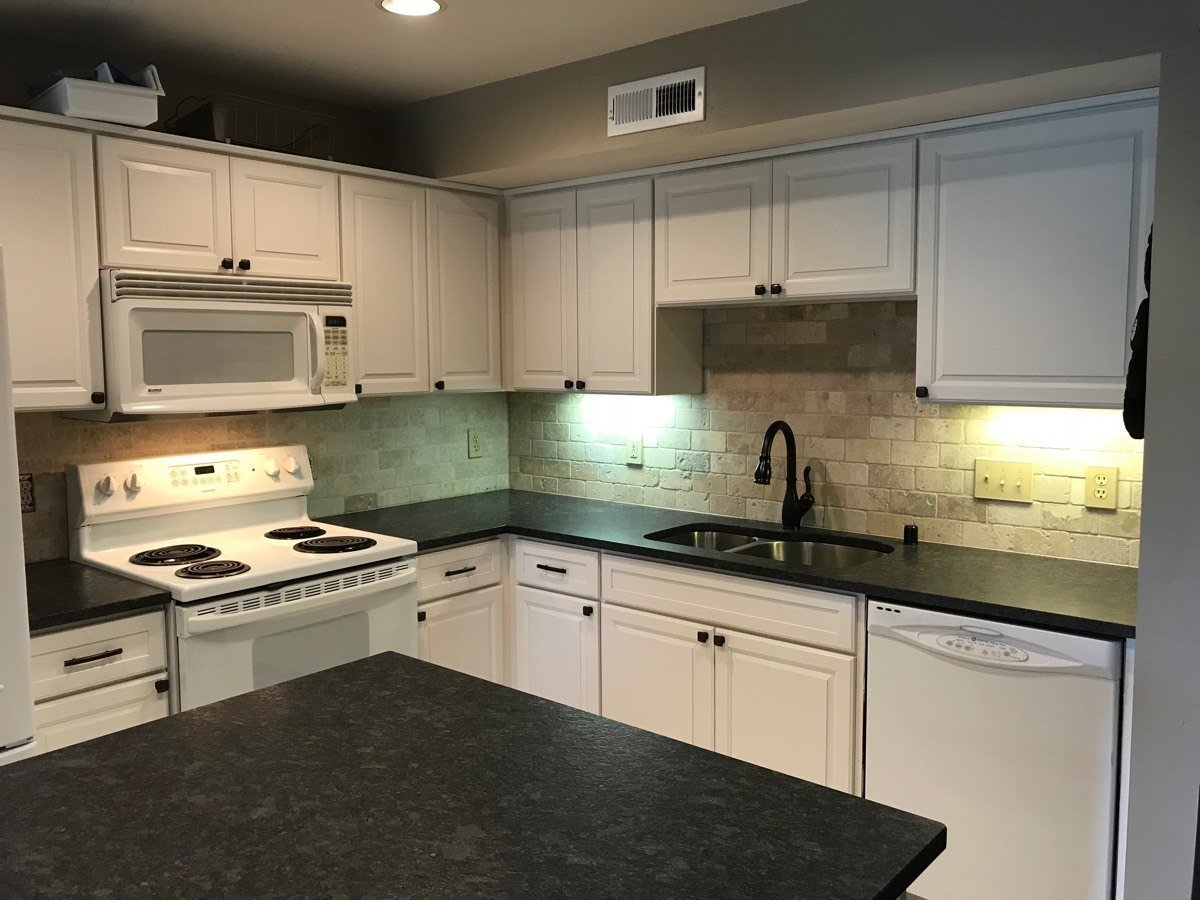
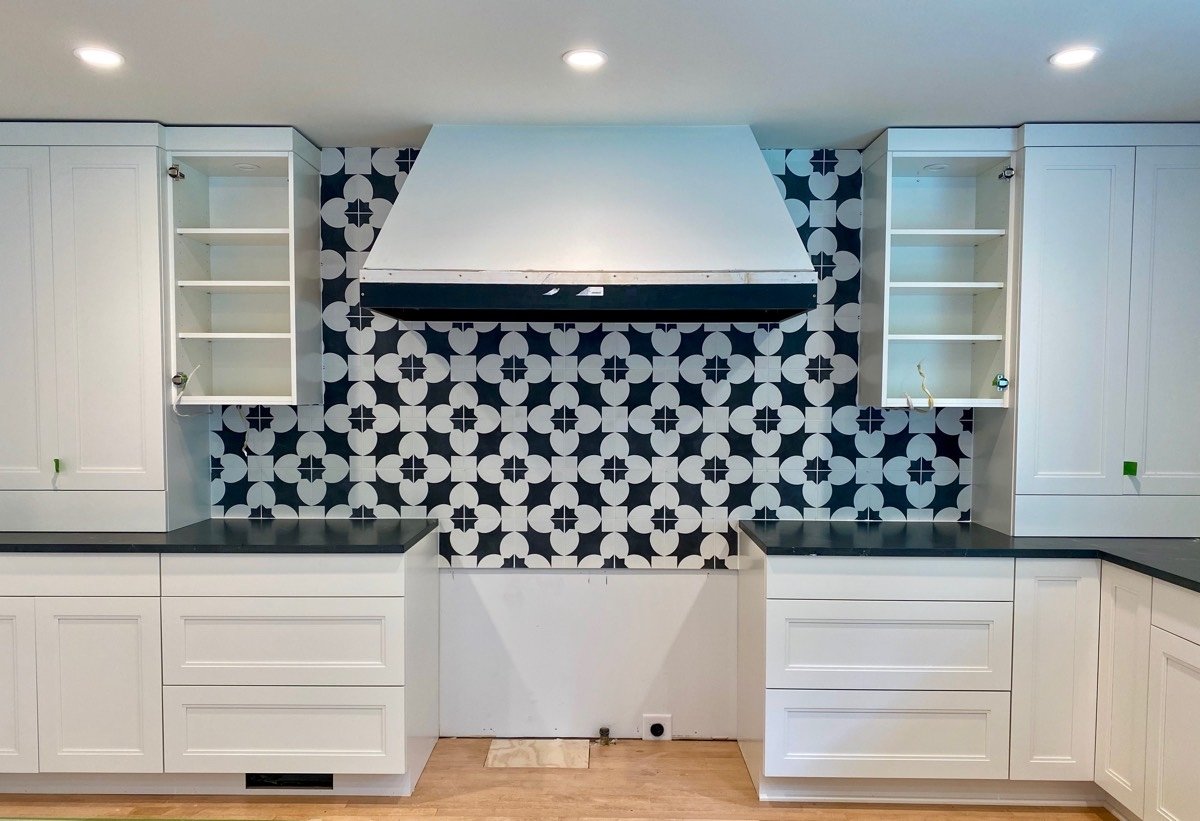
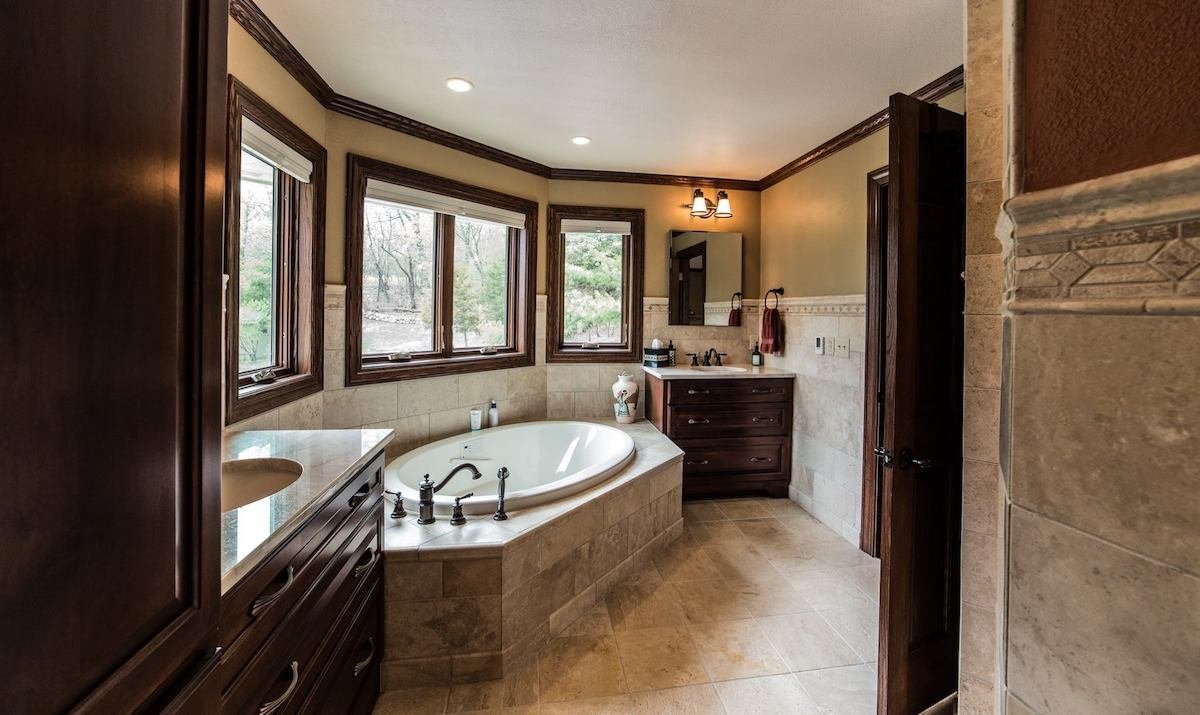
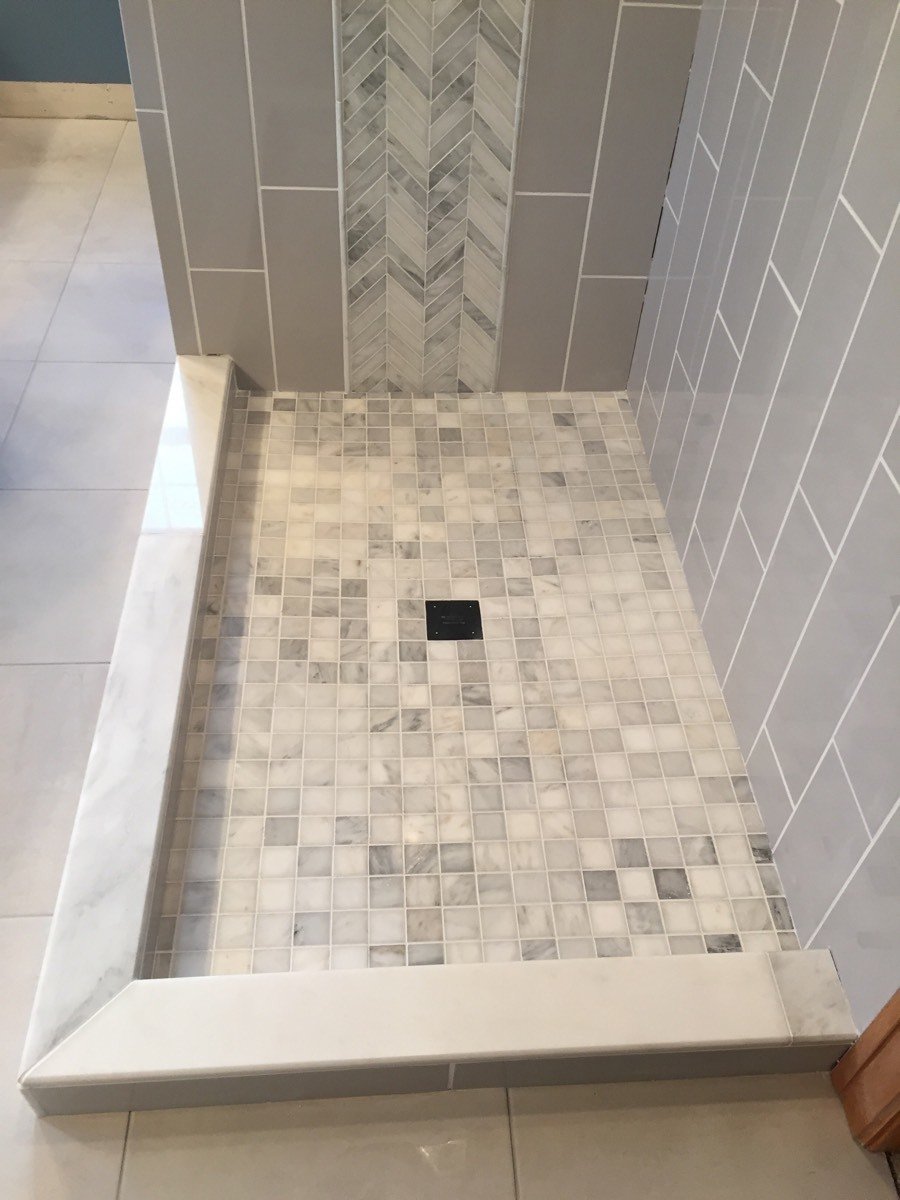
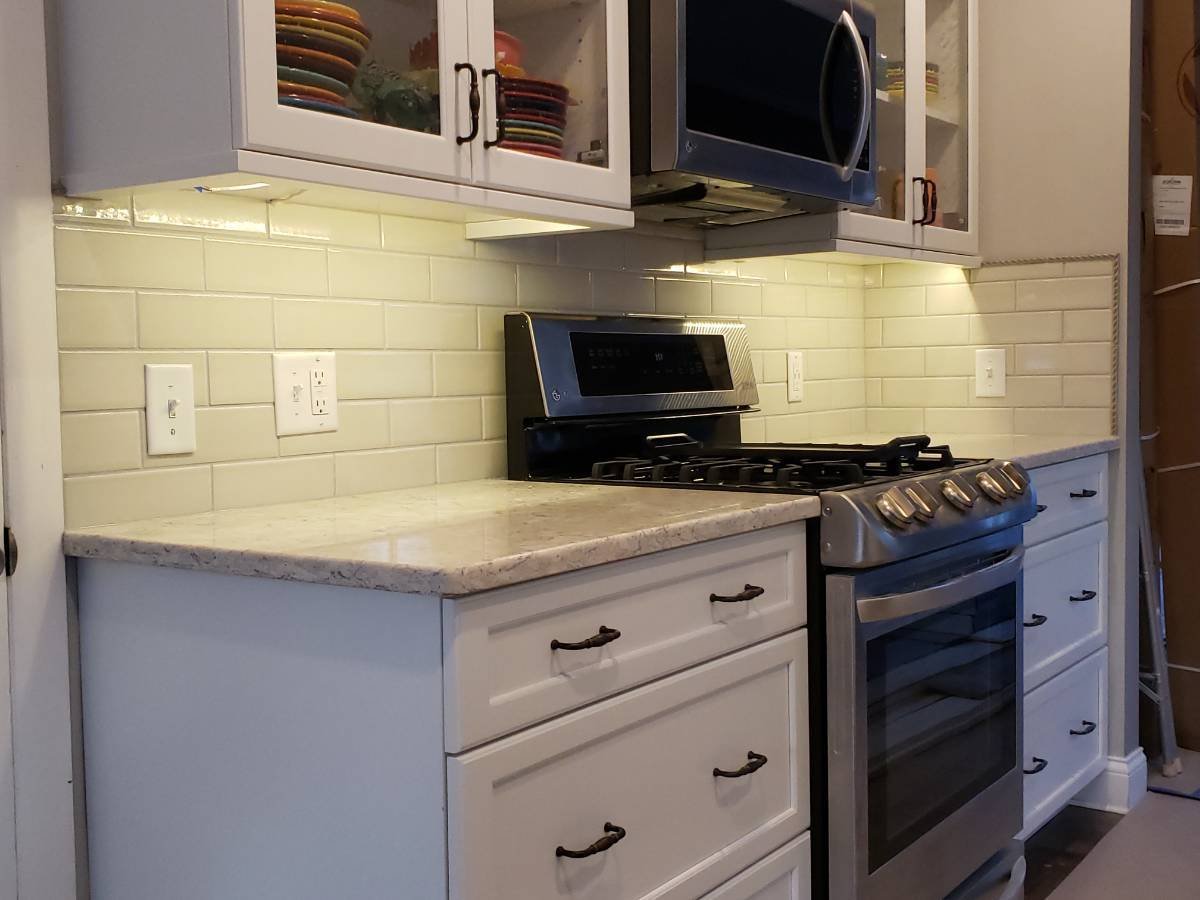
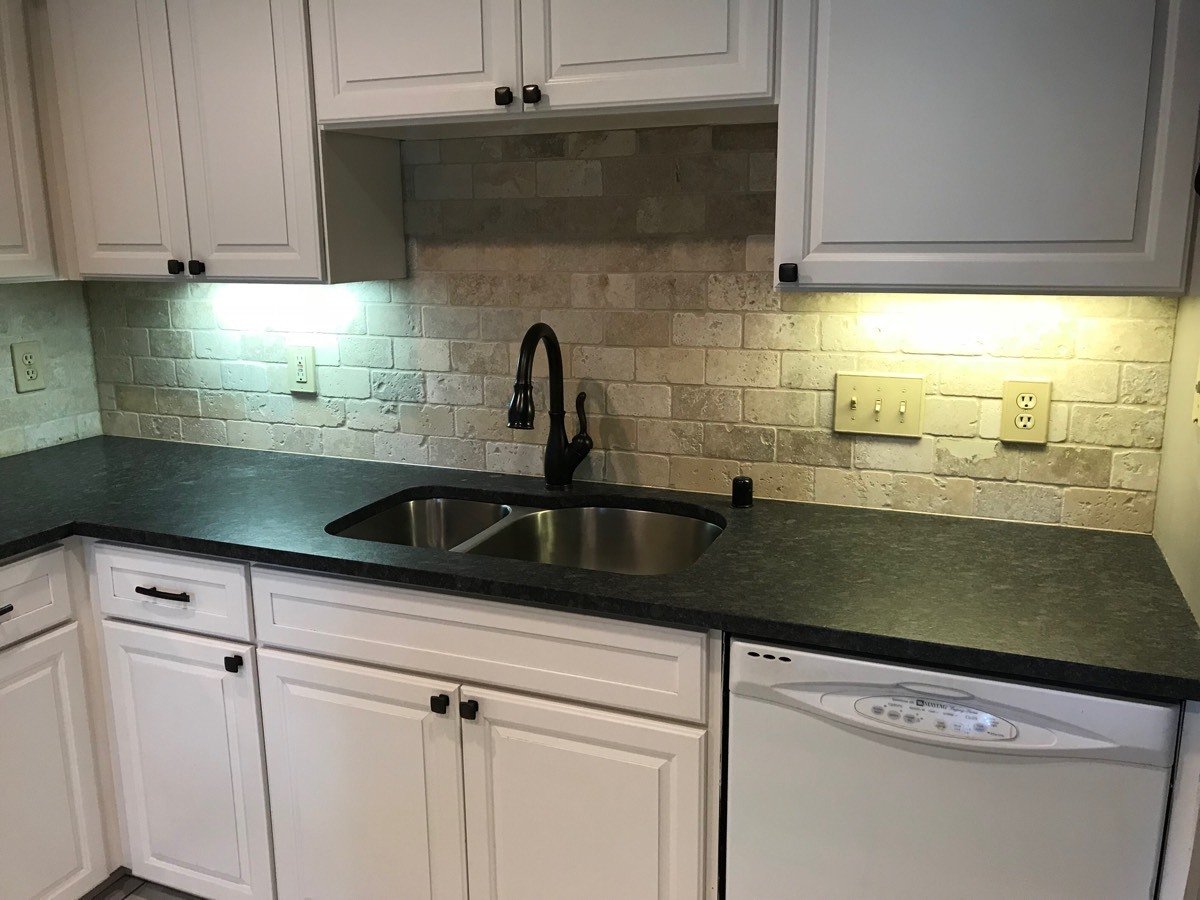
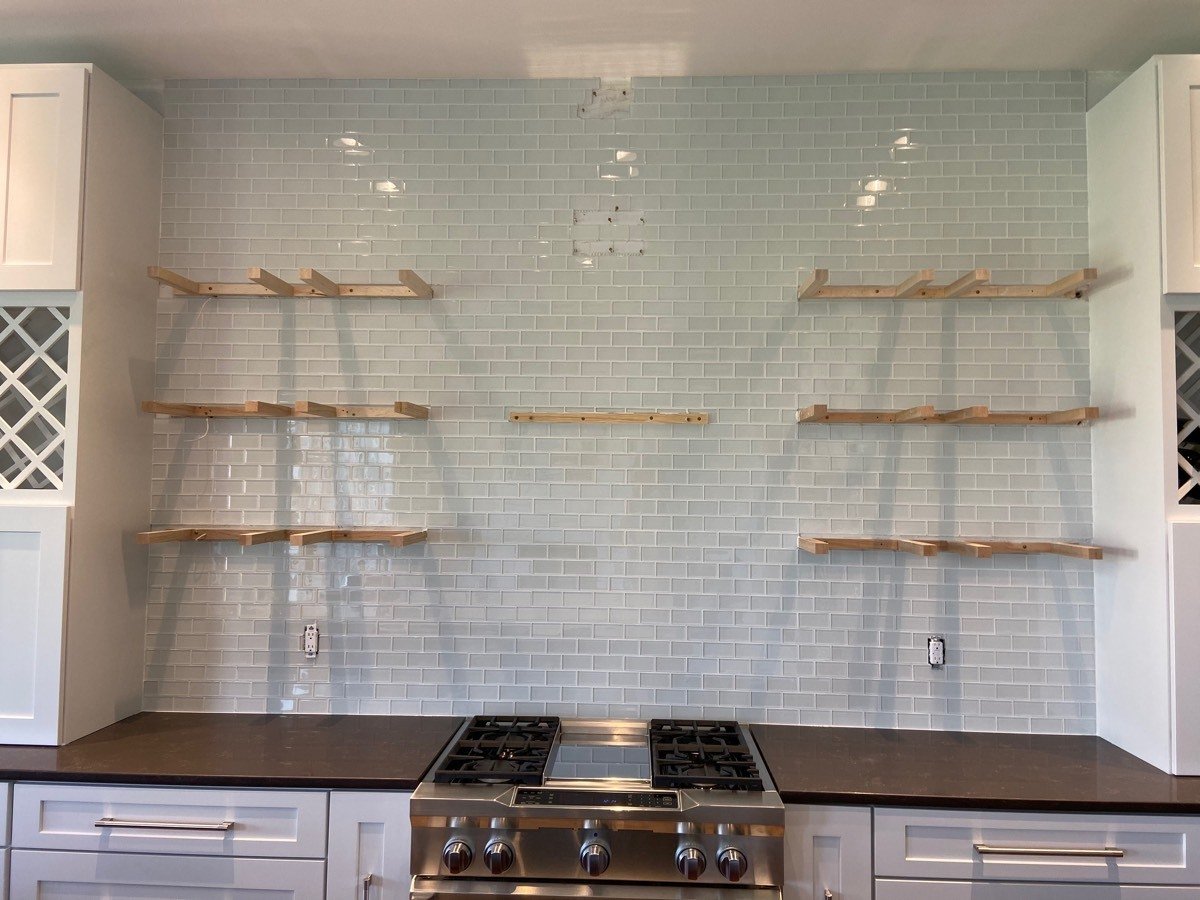
Bathroom walls can carry large marble-look panels for a calm, continuous appearance. Kitchen backsplashes offer another way to bring the look into a space without committing to natural stone.
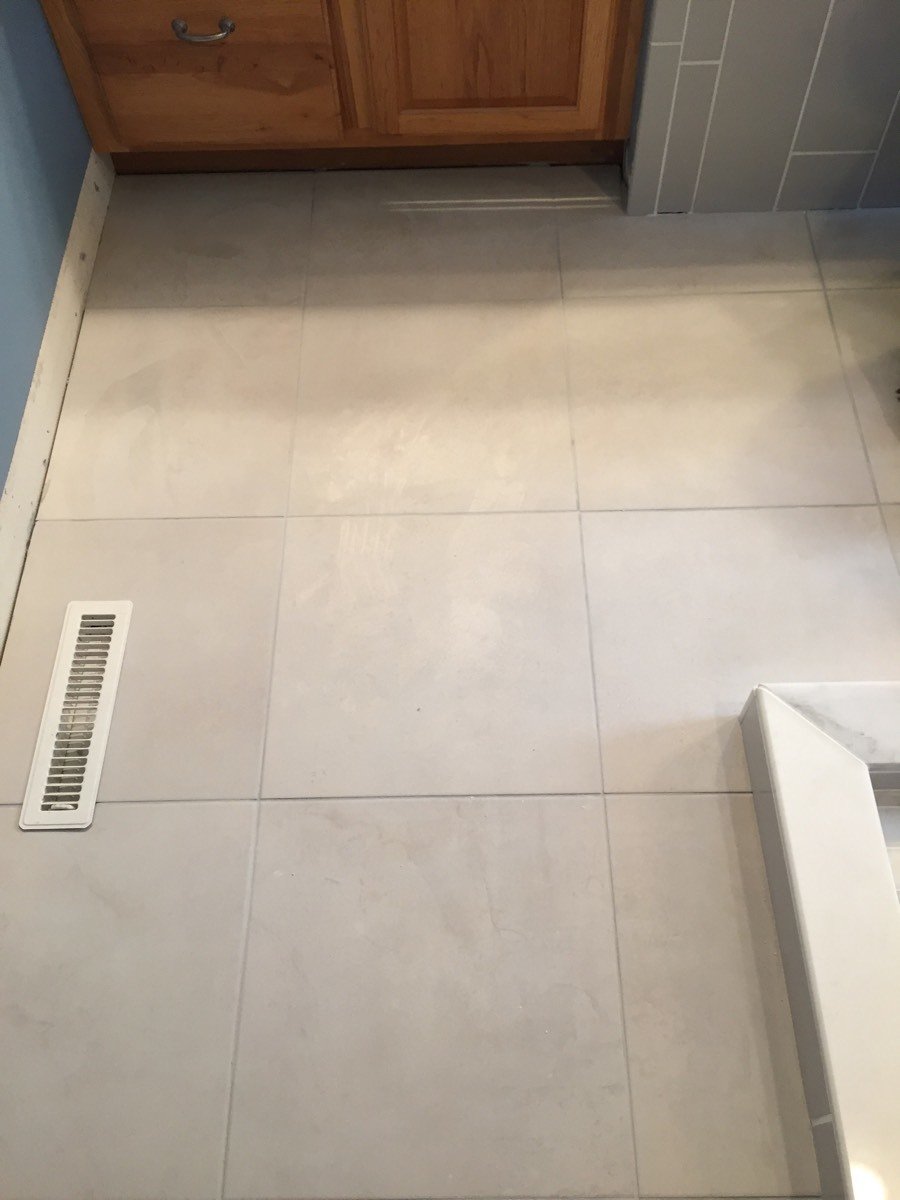
For floors, confirm the product is floor-rated and has an appropriate surface for the conditions. Highly polished finishes may be slippery when wet.
Choosing Color, Veining, and Size
Soft gray veining feels classic, while beige or gold tones warm up a room. Larger tiles can reduce the number of grout joints, but they also require careful substrate preparation and handling.
Review the manufacturer’s face variation and layout recommendations. Dry-laying tiles before installation helps prevent conspicuous repeated patterns.
Porcelain vs. Real Marble
Natural marble has unique mineral variation and can be refinished by a stone specialist, but it is vulnerable to etching from acidic products. Porcelain offers a consistent manufactured alternative and often simpler day-to-day care.
The best choice depends on whether you value natural stone character or prioritize predictability and easy maintenance.
Installation Details That Matter
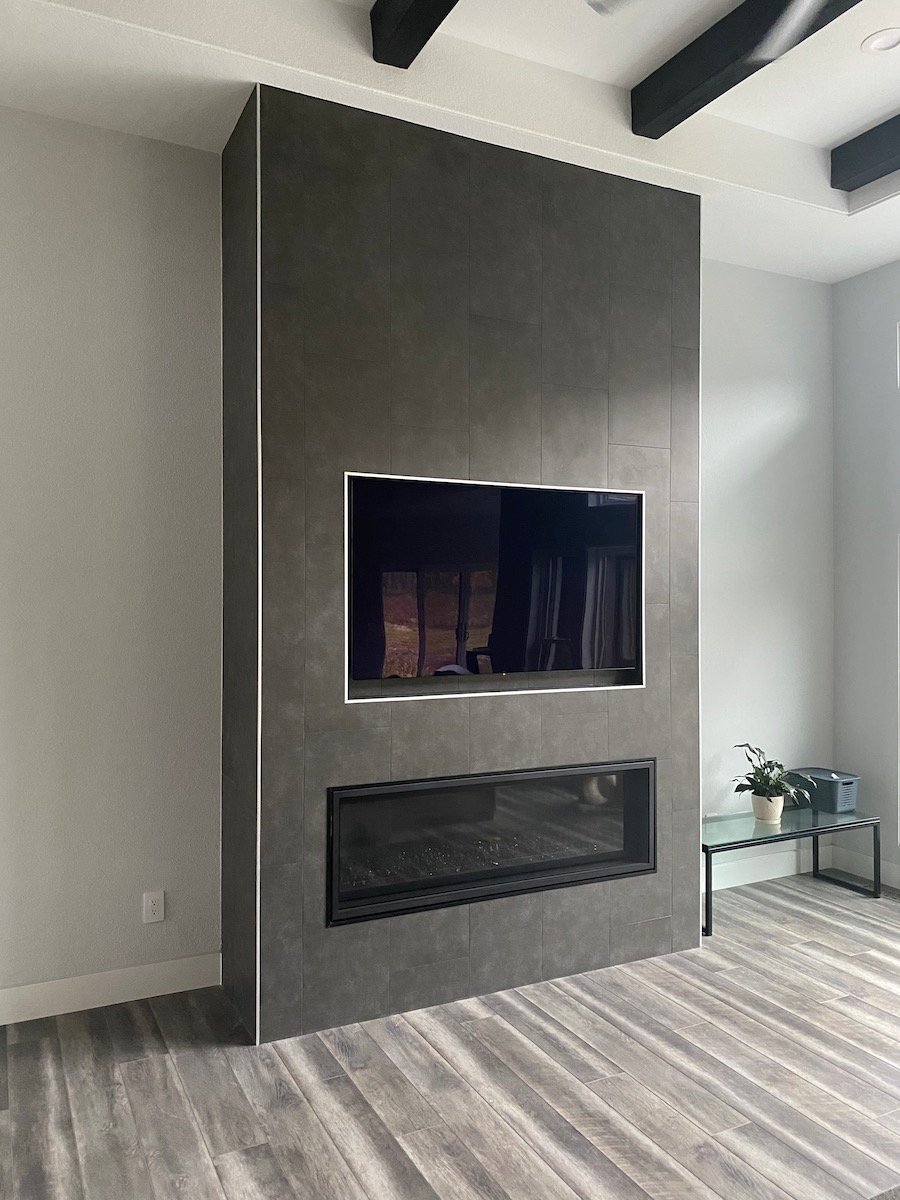
A flat substrate, suitable mortar, proper movement joints, and a layout that accounts for veining are essential. Rectified tiles may permit narrower grout joints when the manufacturer and installation conditions allow.
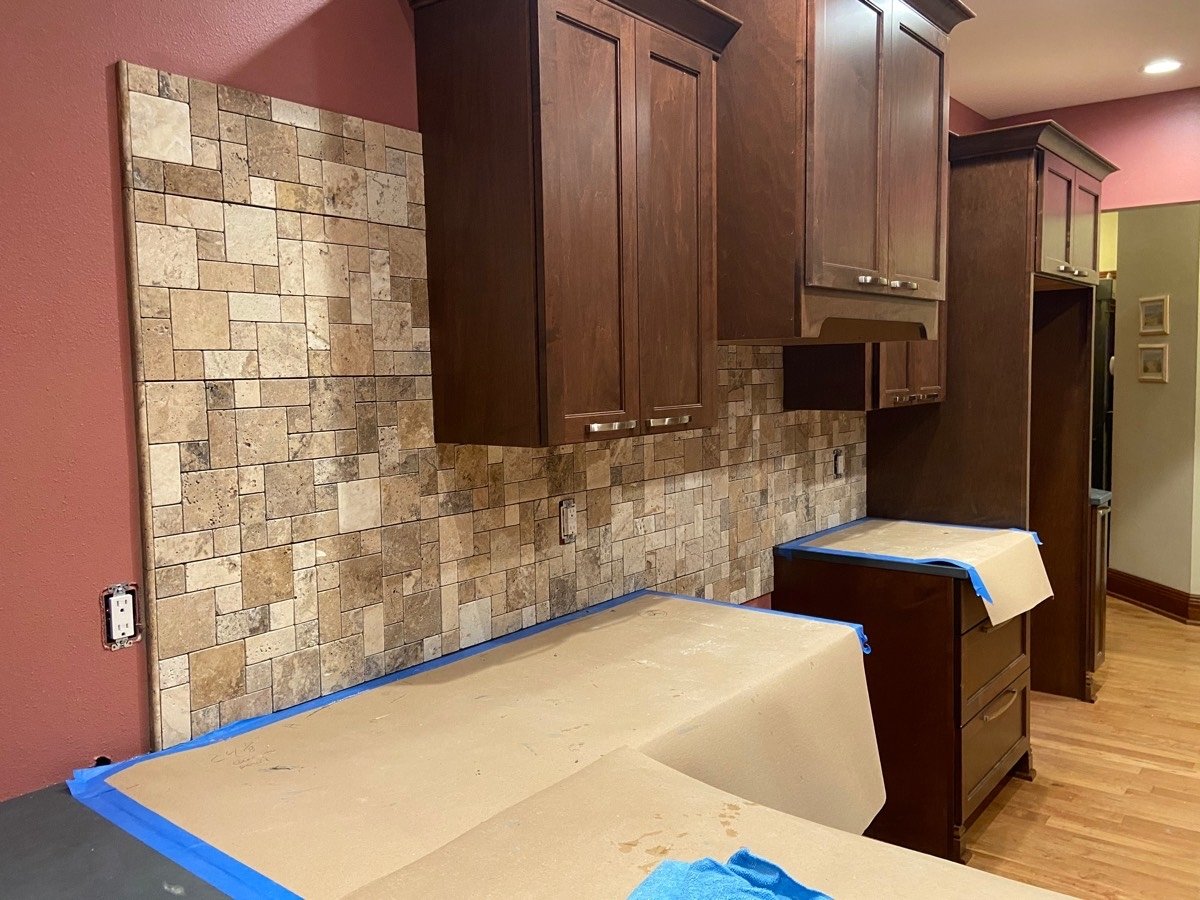
A skilled installer can plan transitions, cuts, and corners so the finished surface looks intentional rather than patchworked.
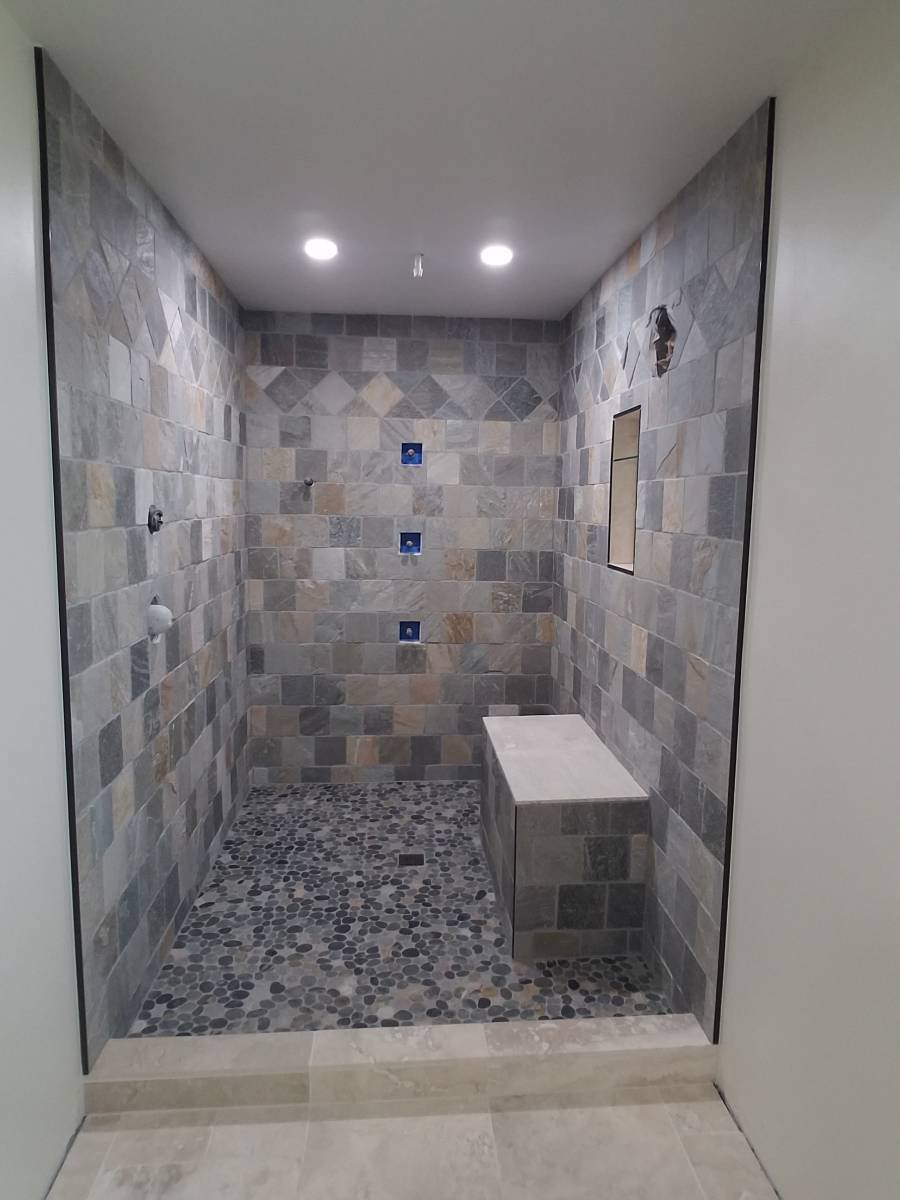
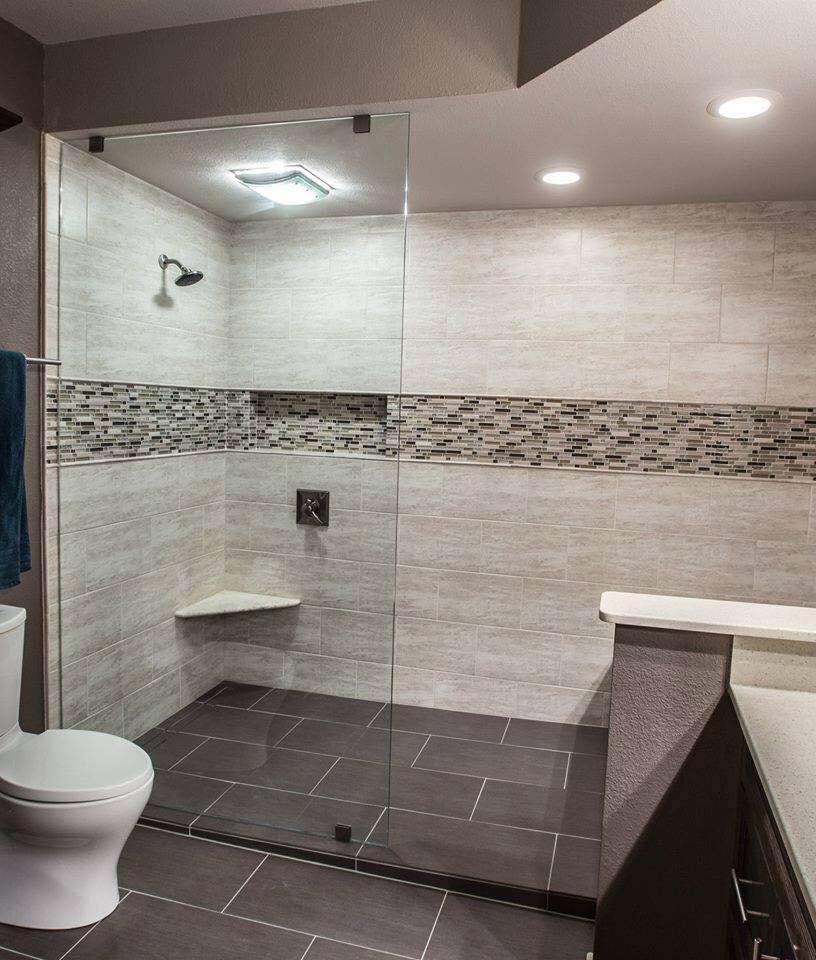
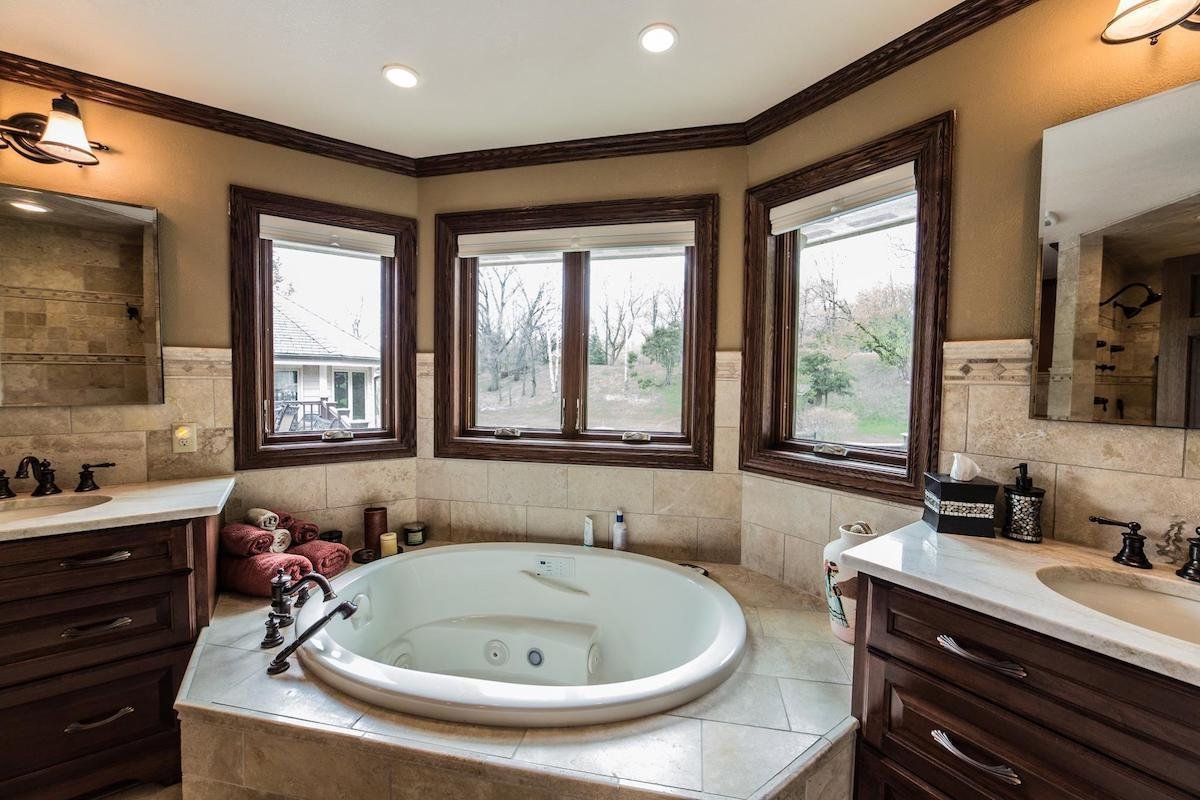
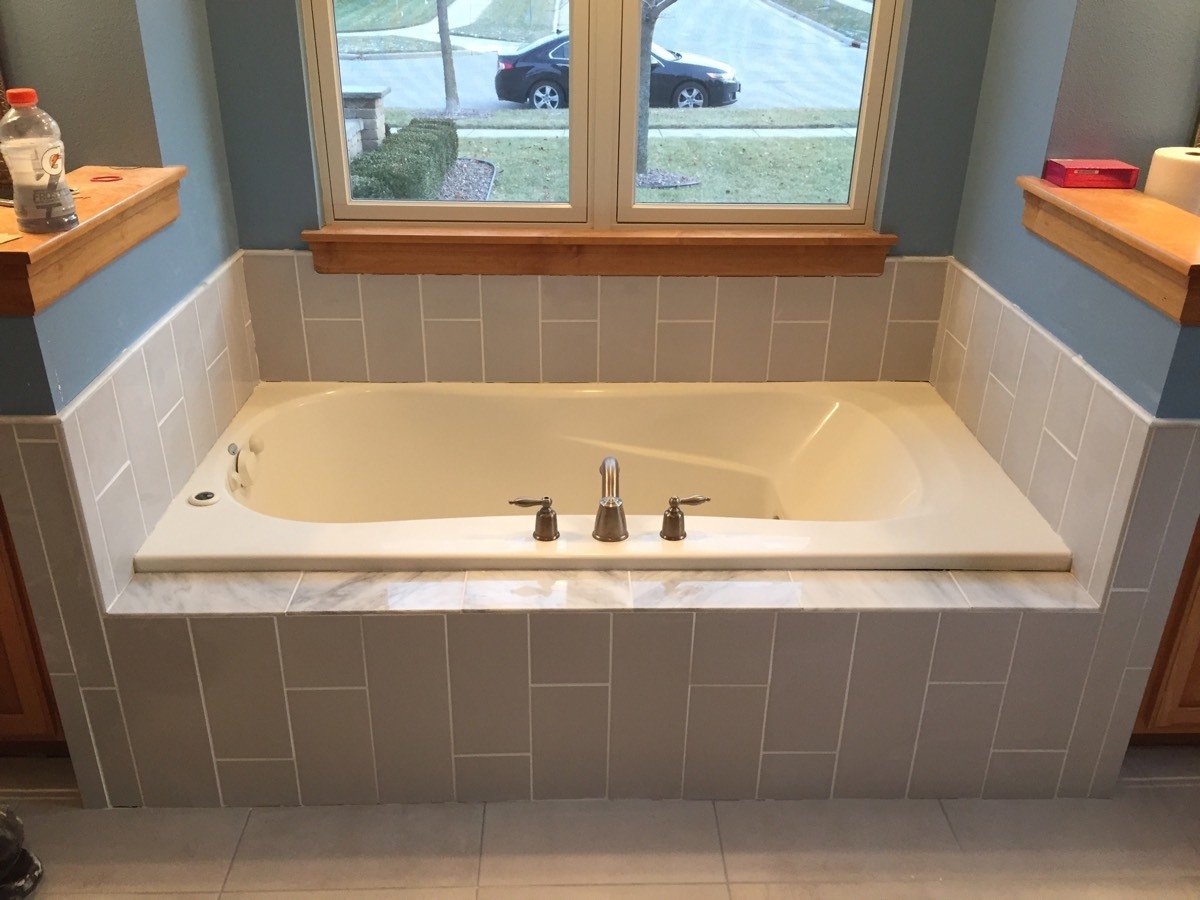
Our Tile Makeover Projects
Plan Your Tile Project With The Tile Group
Choosing the right materials and installation details can make a lasting difference in your finished space. The Tile Group works with homeowners in the Milwaukee and Lake Country area on tile projects, from floors and backsplashes to custom showers. If you are considering marble look porcelain tile, explore your options and talk through your goals with our team before work begins.
Ready to take the next step? Contact The Tile Group to request a free estimate.