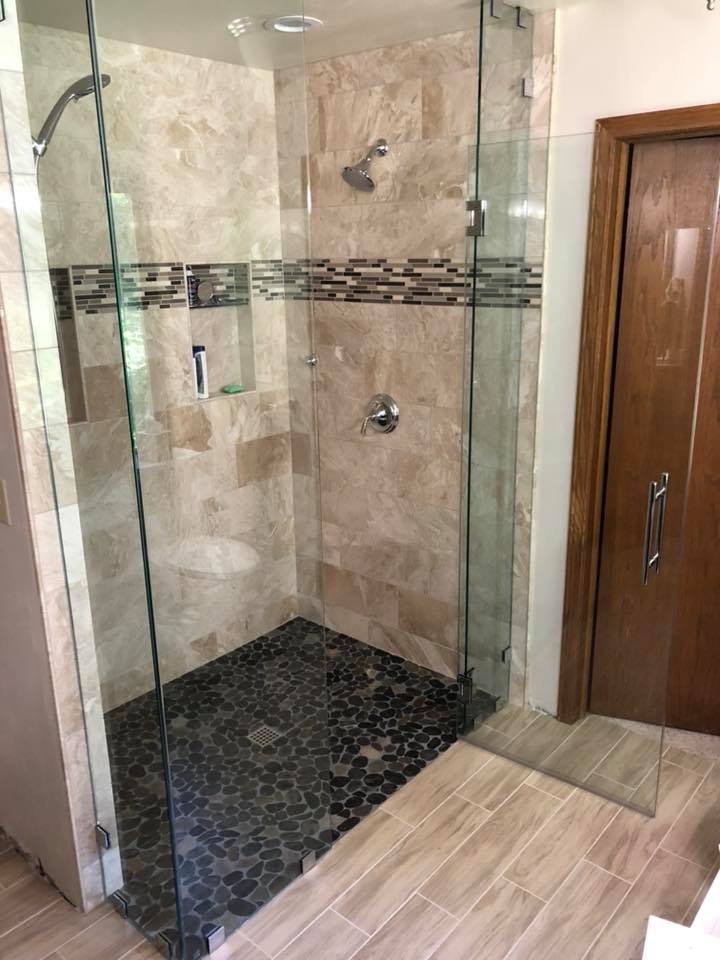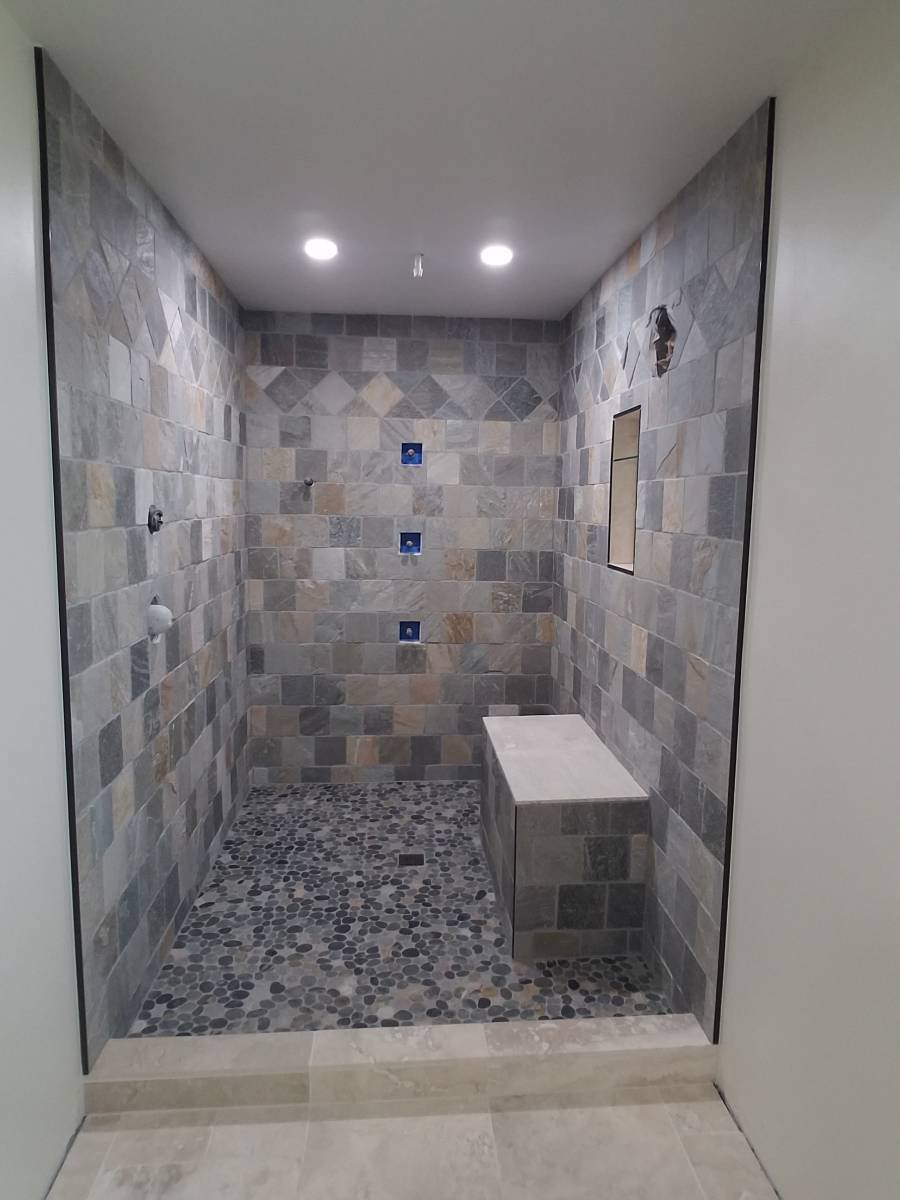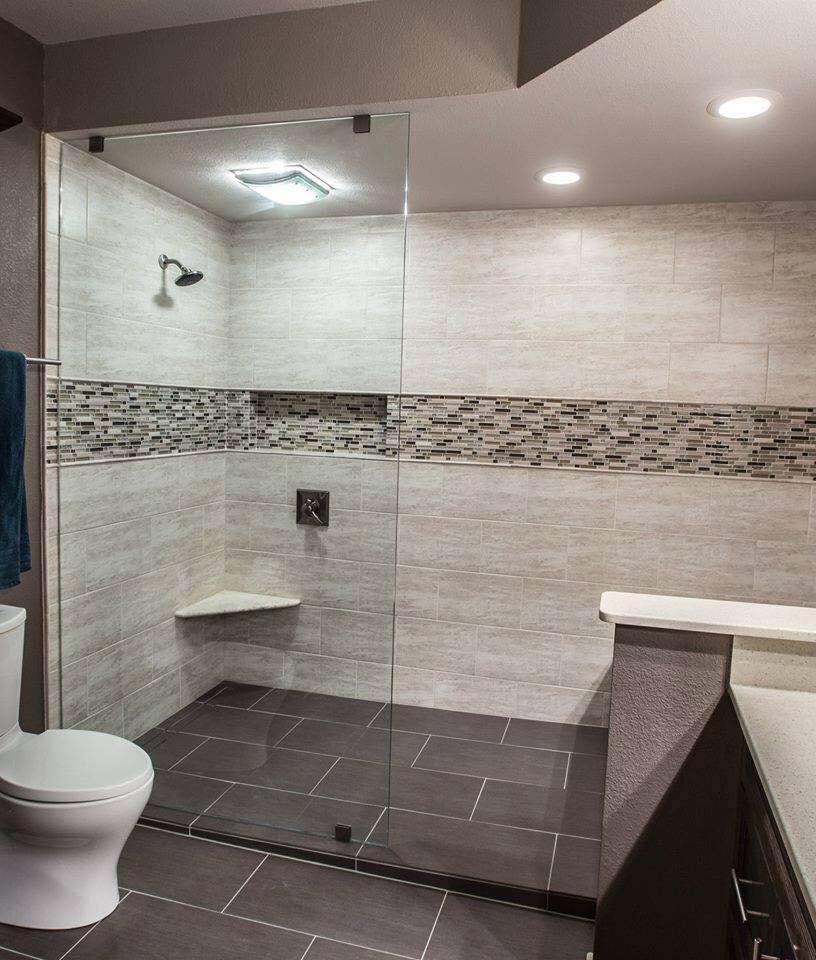
Love the warmth and character of hardwood floors, but worry about scratches, spills, or muddy shoes? Wood look tile may offer the best of both worlds. Today’s porcelain and ceramic planks can mimic natural grain, knots, and color variation while standing up to the demands of a busy household.
Still, no flooring material is perfect. Before choosing it for your kitchen, bathroom, entryway, or living space, it helps to understand the wood look tile pros and cons—including comfort, maintenance, installation, and how it compares with real hardwood.
Here’s what homeowners in the Milwaukee and Lake Country area should consider before making a decision.
What Is Wood Look Tile?
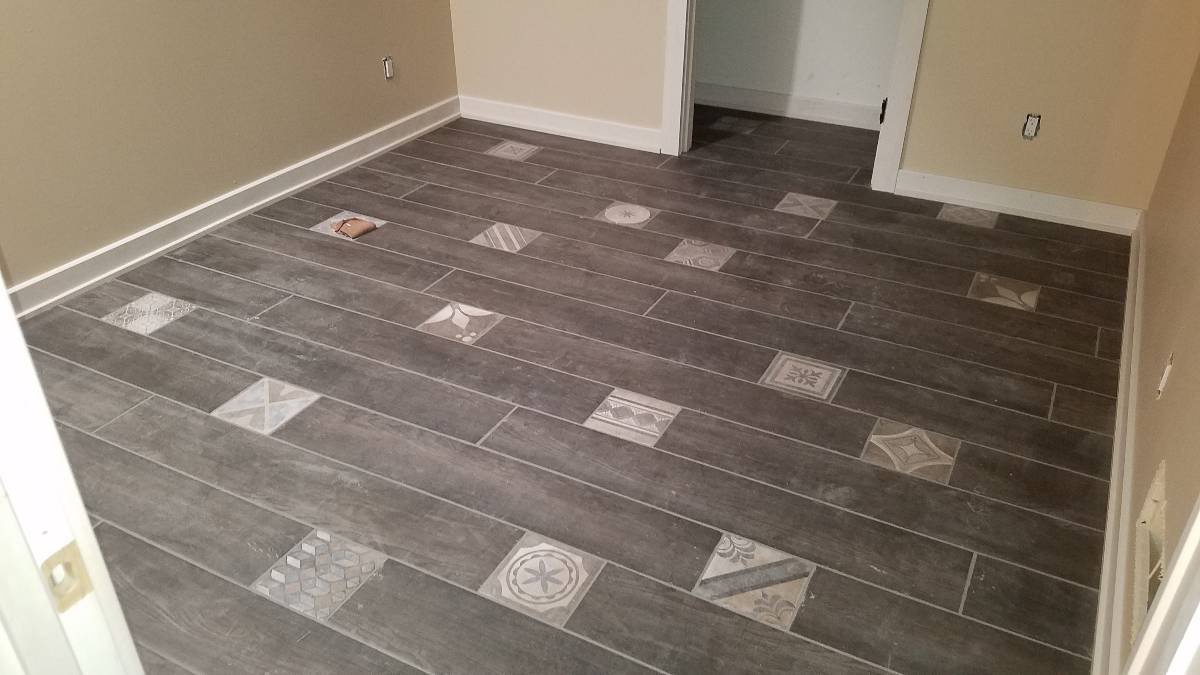
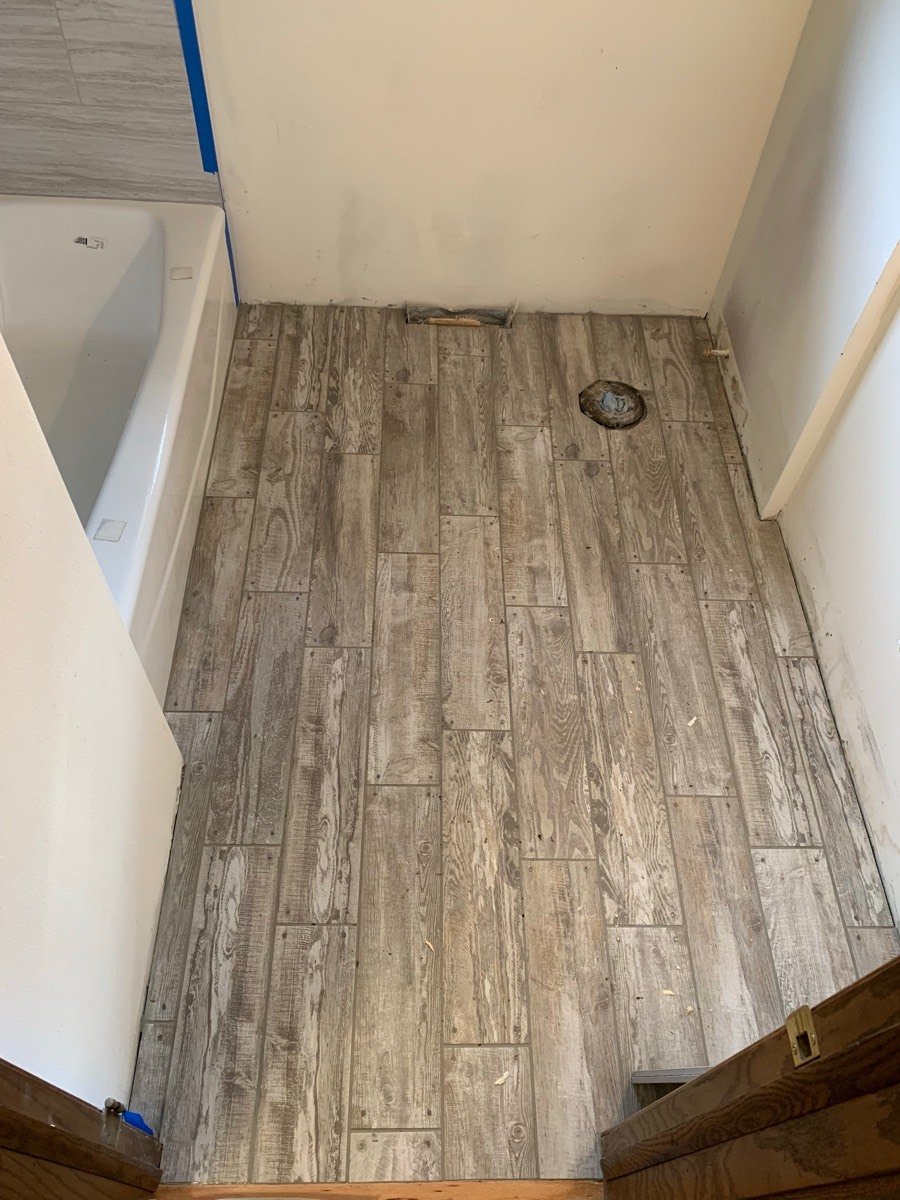
Wood look tile is ceramic or porcelain tile manufactured to resemble hardwood flooring. Digital printing and textured finishes create realistic patterns inspired by oak, maple, walnut, reclaimed wood, and other species. Most styles come in long rectangular planks, rather than traditional square tiles.
Although both ceramic and porcelain options are available, wood look porcelain tile is often a strong choice for floors. Porcelain is dense, has low water absorption, and is available in styles designed for demanding residential applications. Always confirm that the specific tile is rated for the room and floor where it will be installed.
From light, natural-looking planks to dramatic dark finishes, wood look tile can fit contemporary, traditional, and farmhouse-inspired homes.
The Pros of Wood Look Tile
1. Excellent Durability for Busy Homes
One of the biggest benefits of wood look tile is its resistance to everyday wear. Quality floor-rated porcelain can stand up well to foot traffic, pet claws, and routine household activity. Unlike hardwood, it generally does not dent when furniture is moved across it, although impacts can still chip or crack tile.
That makes it especially appealing for active families, homes with pets, and frequently used rooms.
2. Better Moisture Resistance Than Hardwood
Wood flooring can swell, warp, or stain when exposed to excess moisture. Porcelain tile itself absorbs very little water, making it a practical option for kitchens, bathrooms, mudrooms, and entryways.
Wisconsin winters bring snow, slush, and wet boots indoors. A properly installed tile floor is easier to live with in these conditions than many wood flooring products. However, tile and grout are not a substitute for waterproofing where a waterproof assembly is required, such as in a shower.
3. Relatively Simple Routine Maintenance
Wood look tile does not need sanding, staining, or refinishing. Regular sweeping or vacuuming and occasional mopping with a manufacturer-approved cleaner are usually enough to keep it looking its best.
Grout still needs attention, and some grout products require sealing. Choosing an appropriate grout can help reduce ongoing upkeep.
4. The Appearance of Wood in More Rooms
Want a consistent wood-inspired look from the kitchen into the mudroom or bathroom? Tile makes that possible without exposing actual wood to the same moisture risks. Plank sizes, wood-grain variation, and finish options give homeowners plenty of flexibility.
5. Compatible With Radiant Floor Heating
Porcelain tile transfers heat effectively, making it a popular finish over properly designed radiant heating systems. Heated floors can be especially welcome on cold Wisconsin mornings. The heating system and tile installation must be compatible, so this is something to plan with your installer before work begins.
The Cons of Wood Look Tile
1. It Feels Harder Underfoot
Tile is a rigid surface. If you spend a lot of time standing in the kitchen, you may notice that it feels less forgiving than wood or some resilient flooring products. An anti-fatigue mat in front of the sink can improve comfort.
2. It Can Feel Cold Without Heat
Tile often feels cooler to bare feet than hardwood, especially in winter. Area rugs can help, and radiant floor heating is an option when the project budget and floor construction allow it.
3. Grout Lines Are Part of the Look
Even realistic wood look tile still has grout joints. These lines can make the surface look different from a continuous hardwood floor. Choosing a grout color close to the tile’s dominant tone can create a more subtle, wood-like appearance.
4. Installation Requires Careful Preparation
Long porcelain planks need a suitable, flat substrate and a thoughtful layout. If the floor is uneven or the tiles are installed with an unsuitable offset, the edges may sit at different heights—a condition known as lippage.
Professional planning matters here, particularly for larger planks. The installer should follow the tile manufacturer’s recommendations for grout joint width, offset pattern, substrate preparation, and movement joints.
5. Damaged Tiles Are Not Always Easy to Repair
Porcelain is durable, but it is not indestructible. A heavy dropped object can chip a tile, and substrate movement can contribute to cracking. Replacing a damaged plank takes care, and matching a discontinued style may be difficult. Keeping a few spare tiles after installation is a smart precaution.
Wood Look Tile vs. Hardwood: Which Is Better?
The right choice depends on where the floor will go and what matters most to you. Both materials can create a beautiful space, but their strengths are different.
- Moisture: Porcelain tile is generally more resistant to water than hardwood.
- Scratches and dents: Quality porcelain typically handles surface wear better, though it can chip.
- Comfort: Hardwood usually feels warmer and slightly more forgiving underfoot.
- Maintenance: Tile avoids refinishing, but grout requires cleaning and occasional additional care.
- Repairs: Some hardwood can be sanded and refinished; damaged tile usually needs individual replacement.
- Appearance: Hardwood offers natural variation and texture, while tile offers a wood-inspired look in moisture-prone spaces.
If you love authentic wood and want a floor that can be refinished in the future, hardwood may be worth the extra care. If durability and moisture resistance are priorities, wood look porcelain deserves a closer look.
Where Does Wood Look Tile Work Best?
Kitchens
Wood look tile adds warmth to a kitchen design while standing up to spills, crumbs, and heavy daily use. It also pairs nicely with painted cabinets, natural wood cabinetry, and stone countertops.
Bathrooms
For homeowners who want a spa-like bathroom with wood tones, porcelain is an attractive alternative to actual hardwood. Choose a tile with an appropriate finish and slip-resistance rating for the application.
Entryways and Mudrooms
These are some of the most practical locations for wood look tile. Dirt, wet shoes, and winter slush are easier to manage on a durable, appropriately selected tile surface. For more ideas, see our guide to choosing the best tile for an entryway.
Open-Concept Living Spaces
Using the same plank style across connected rooms can create a cohesive appearance. Just remember that transitions, expansion and movement joints, and the condition of the subfloor still need to be considered during planning.
Choosing the Right Wood Look Tile
Once you decide that wood look tile fits your lifestyle, a few details can make a big difference in the finished result.
Consider the Plank Size
Longer planks can closely resemble hardwood boards, but they demand careful substrate preparation and layout. Ask your installer which sizes make sense for your room dimensions and existing floor.
Look at Samples in Your Home
Tile can appear different under daylight, recessed lighting, and warm evening light. View several pieces together so you can see the range of grain patterns and color variation, not just a single sample.
Choose the Finish for the Room
Matte or textured finishes are often appealing for active households and entryways, but surface texture alone does not guarantee slip resistance. Review the product’s stated suitability for your application.
Plan the Grout Color and Layout
A grout color that blends with the tile can make the finished floor look more continuous. Your installer can also recommend an offset or other pattern that suits the tile manufacturer’s specifications and minimizes lippage.
Is Wood Look Tile Worth It?
For many homeowners, yes. Wood look tile combines the welcoming appearance of wood with the practicality of a hard-wearing tile floor. It is especially compelling in kitchens, bathrooms, entryways, and other areas where moisture and heavy traffic are concerns.
It may be less appealing if you strongly prefer the softer feel of wood, want flooring that can be refinished, or dislike visible grout joints. The best decision comes down to your room, your budget, and how you use your home.
Before committing, compare full-size samples, ask about the tile’s floor rating, and discuss installation requirements with an experienced tile professional. Those steps can help you choose a floor that looks beautiful and performs well for years.
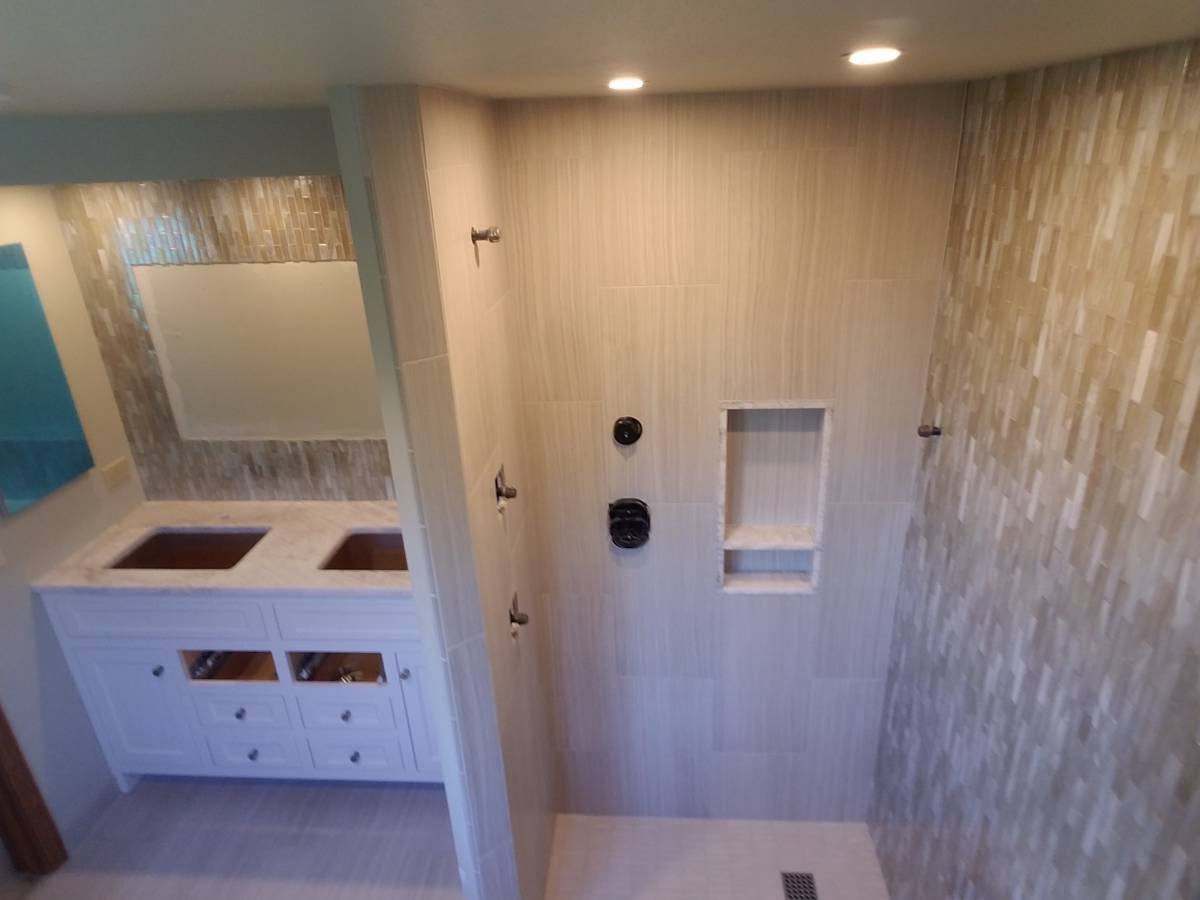
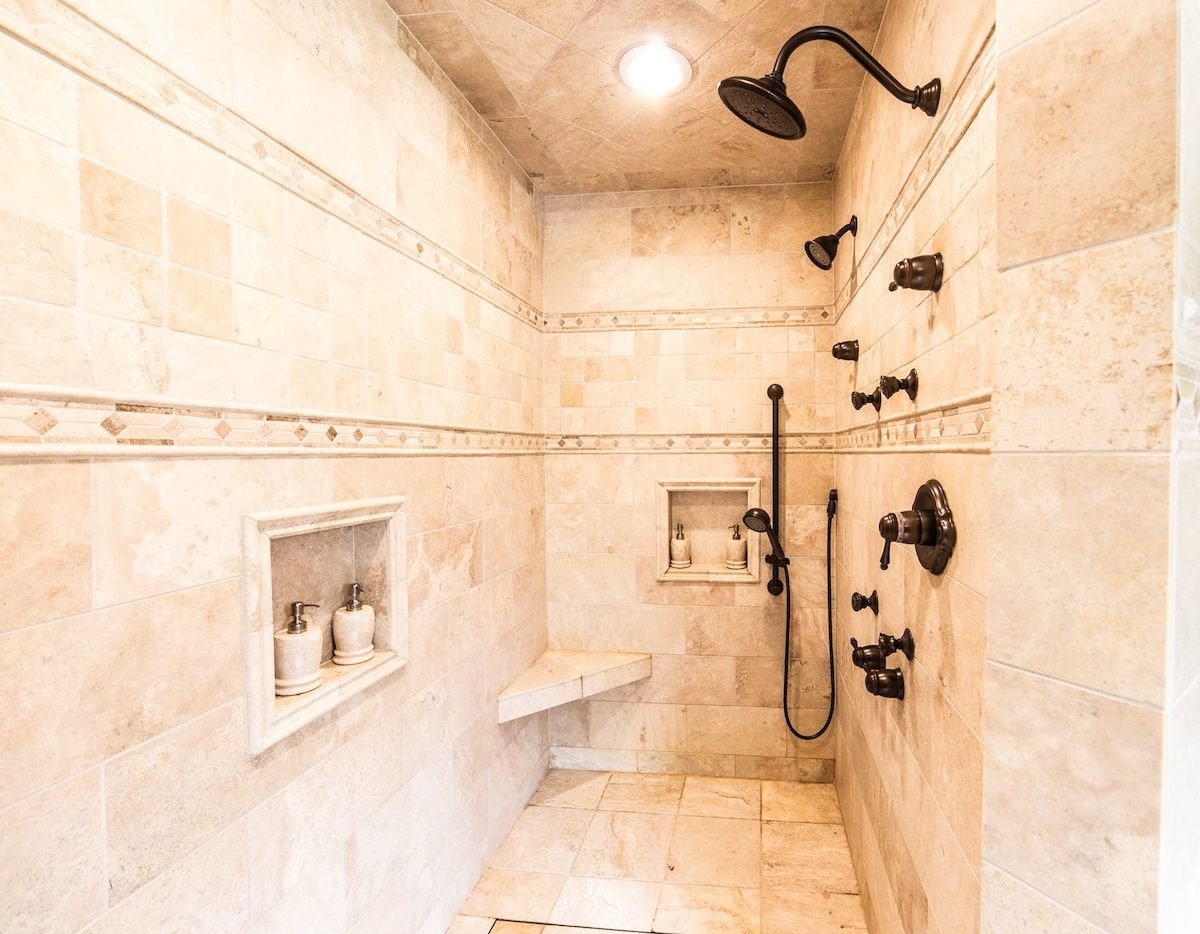
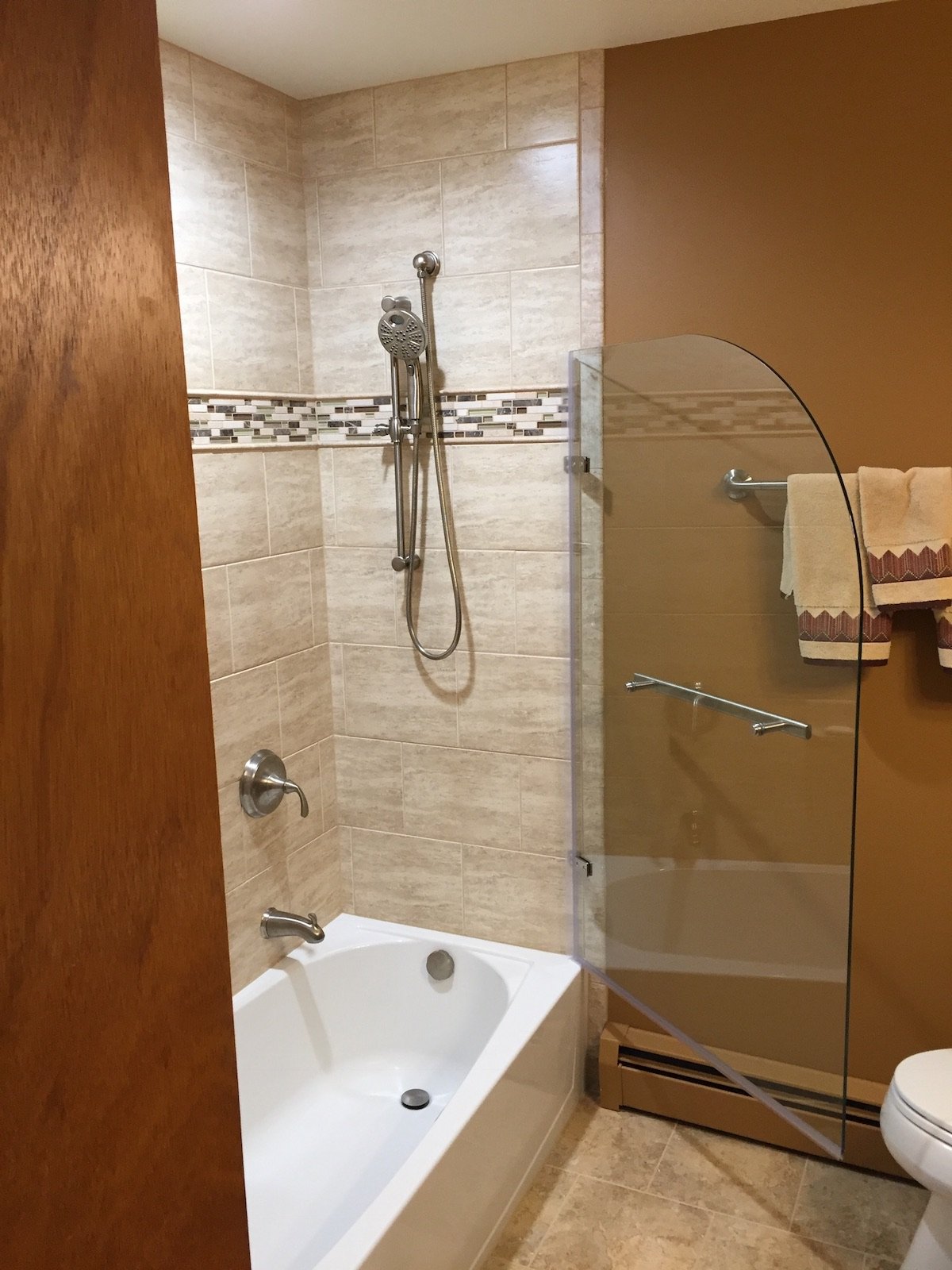
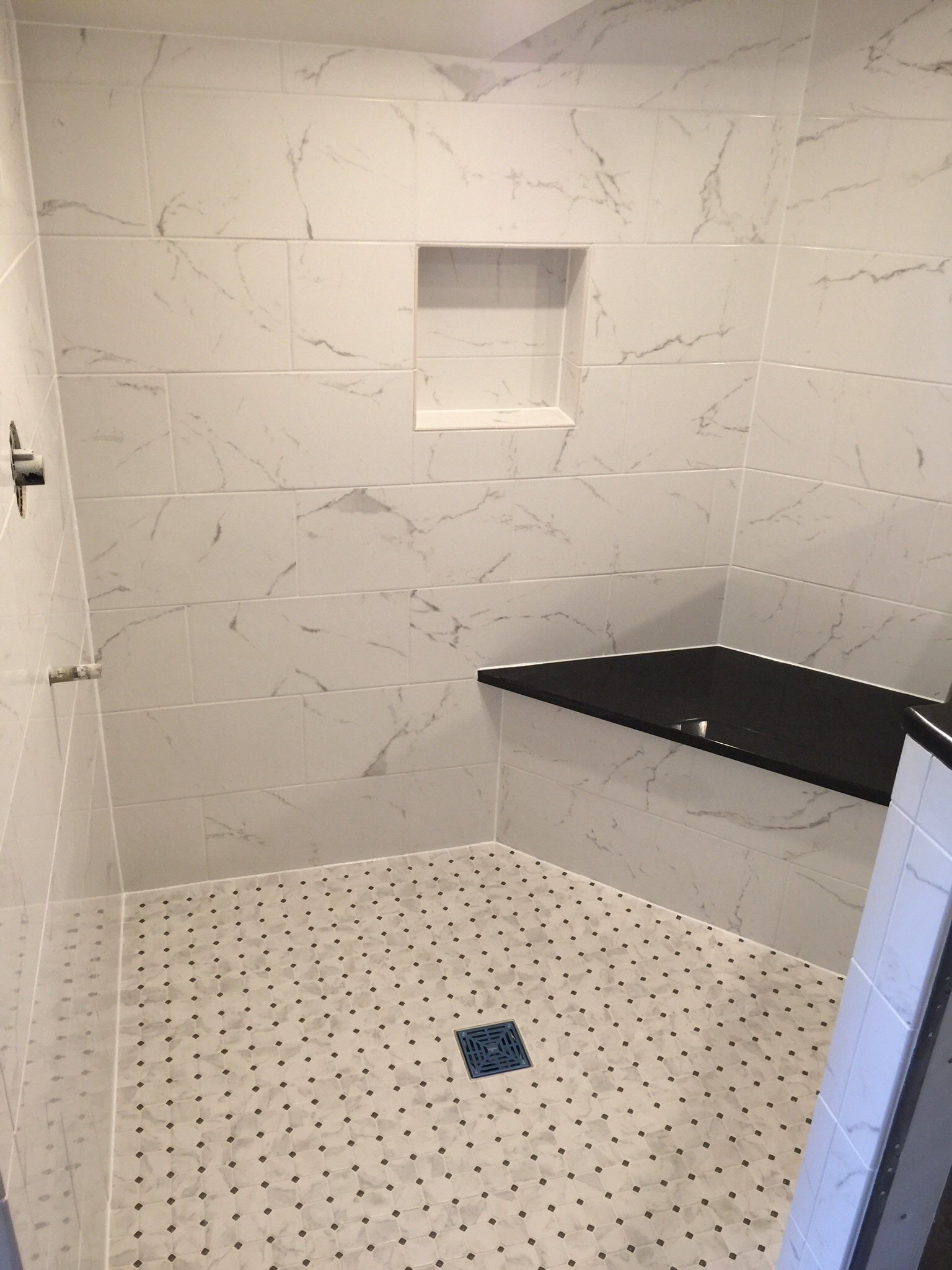
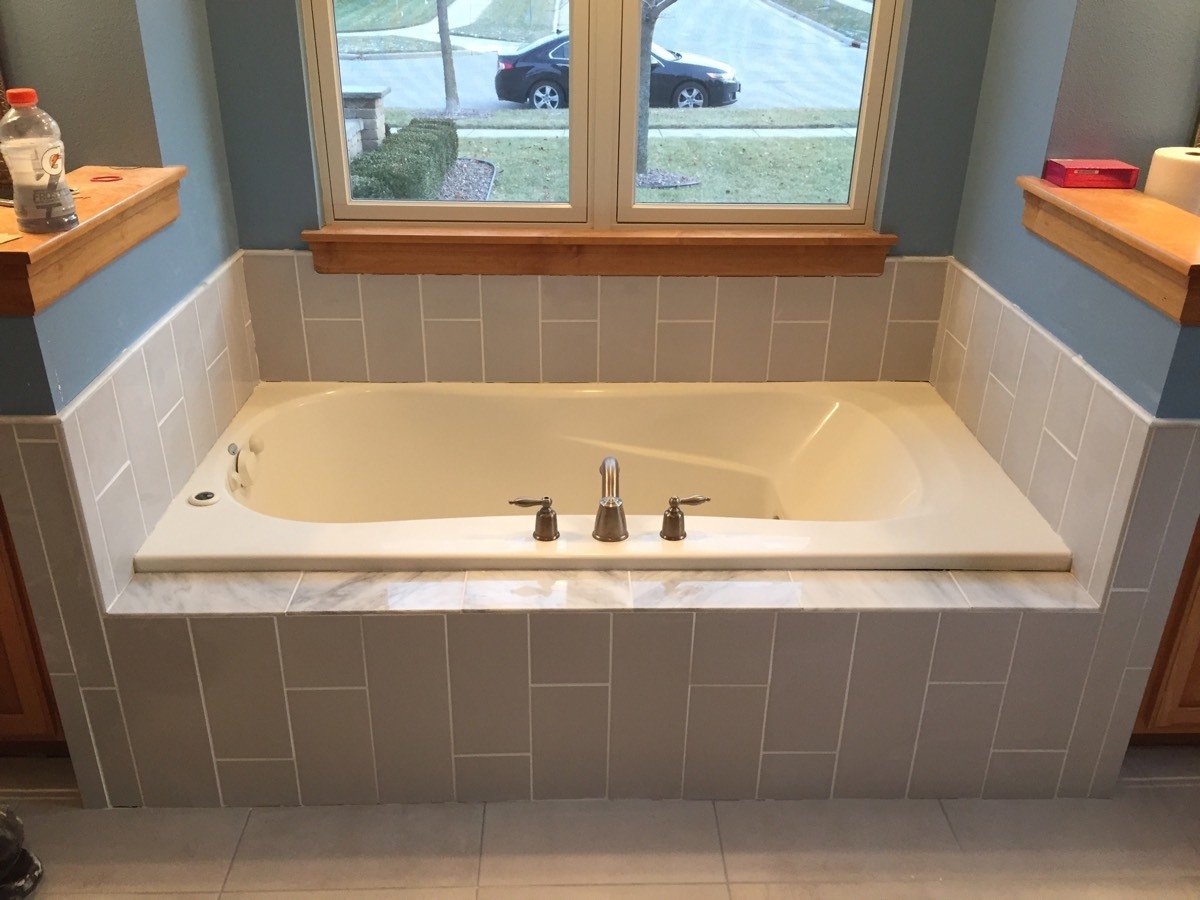
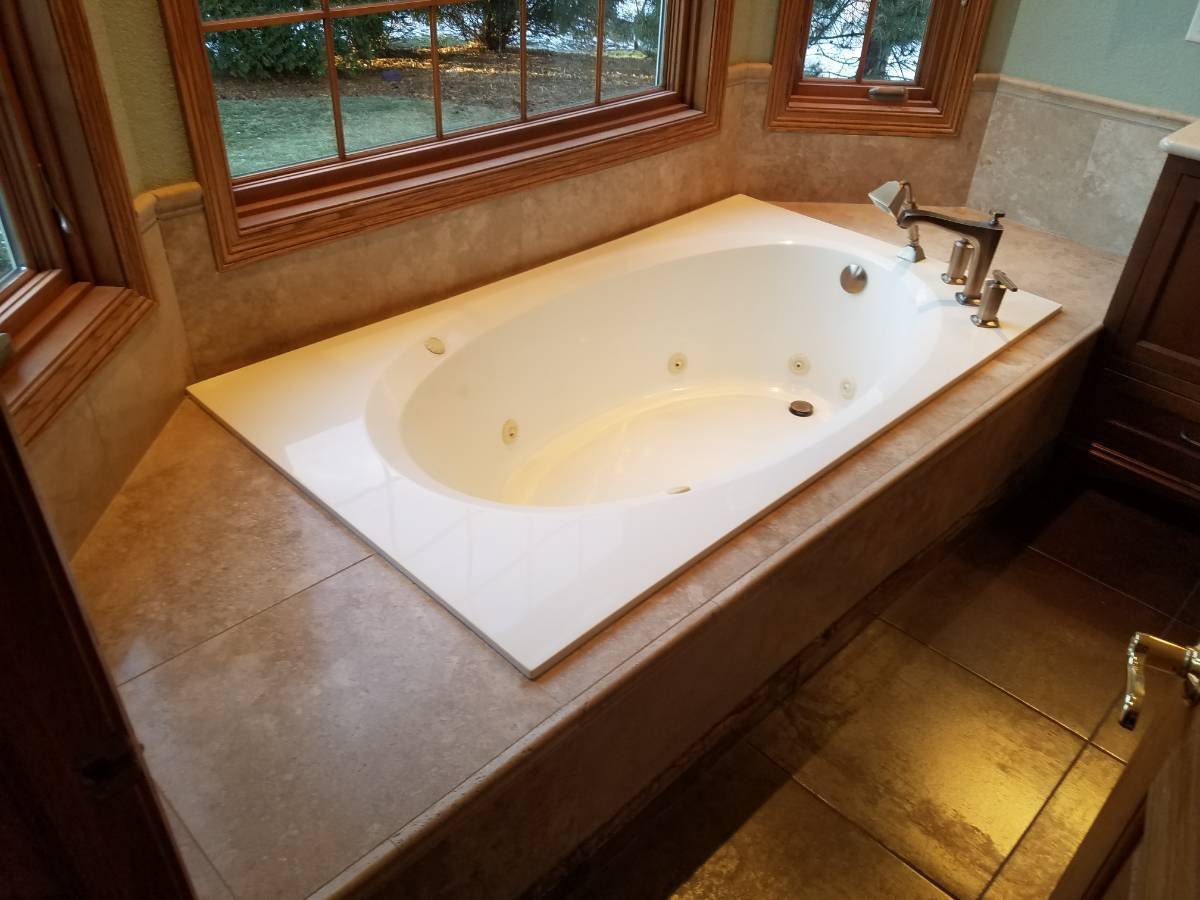
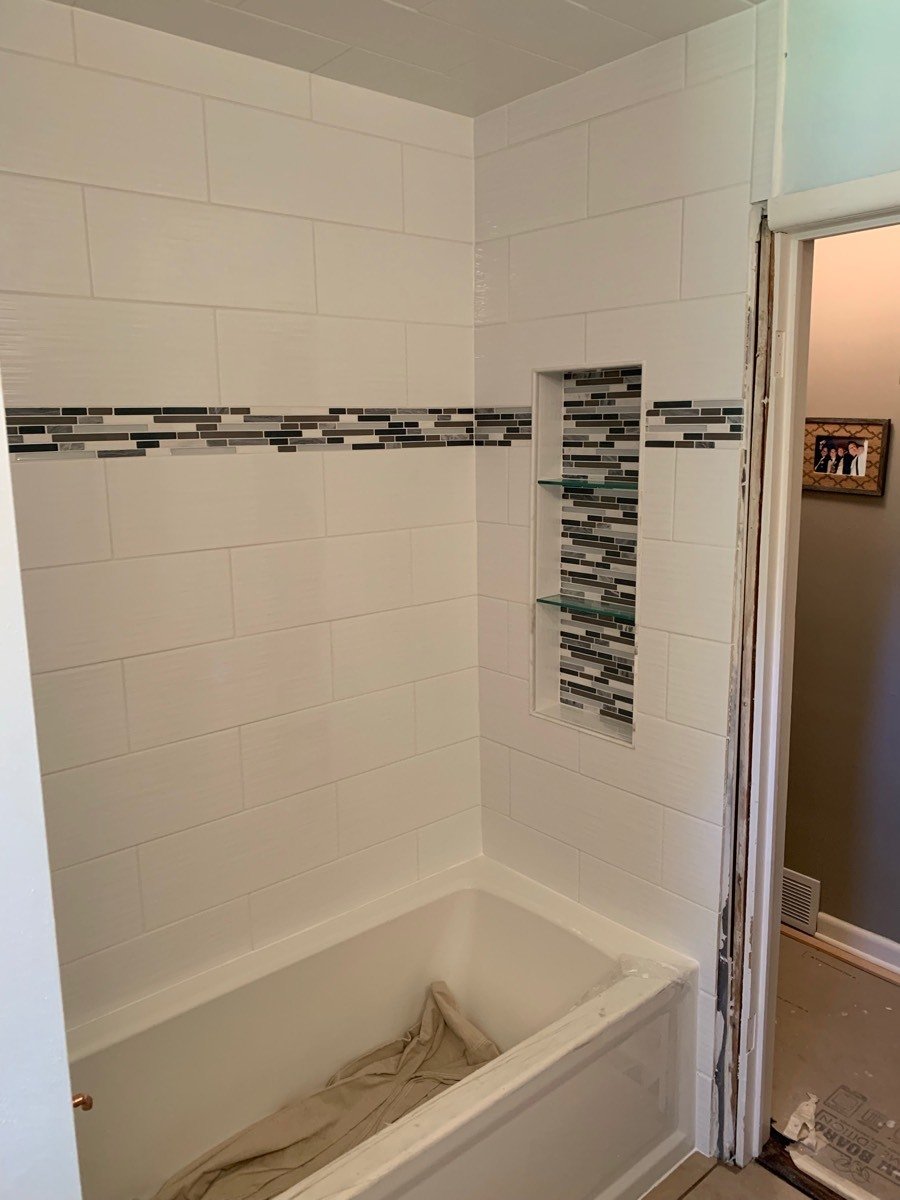
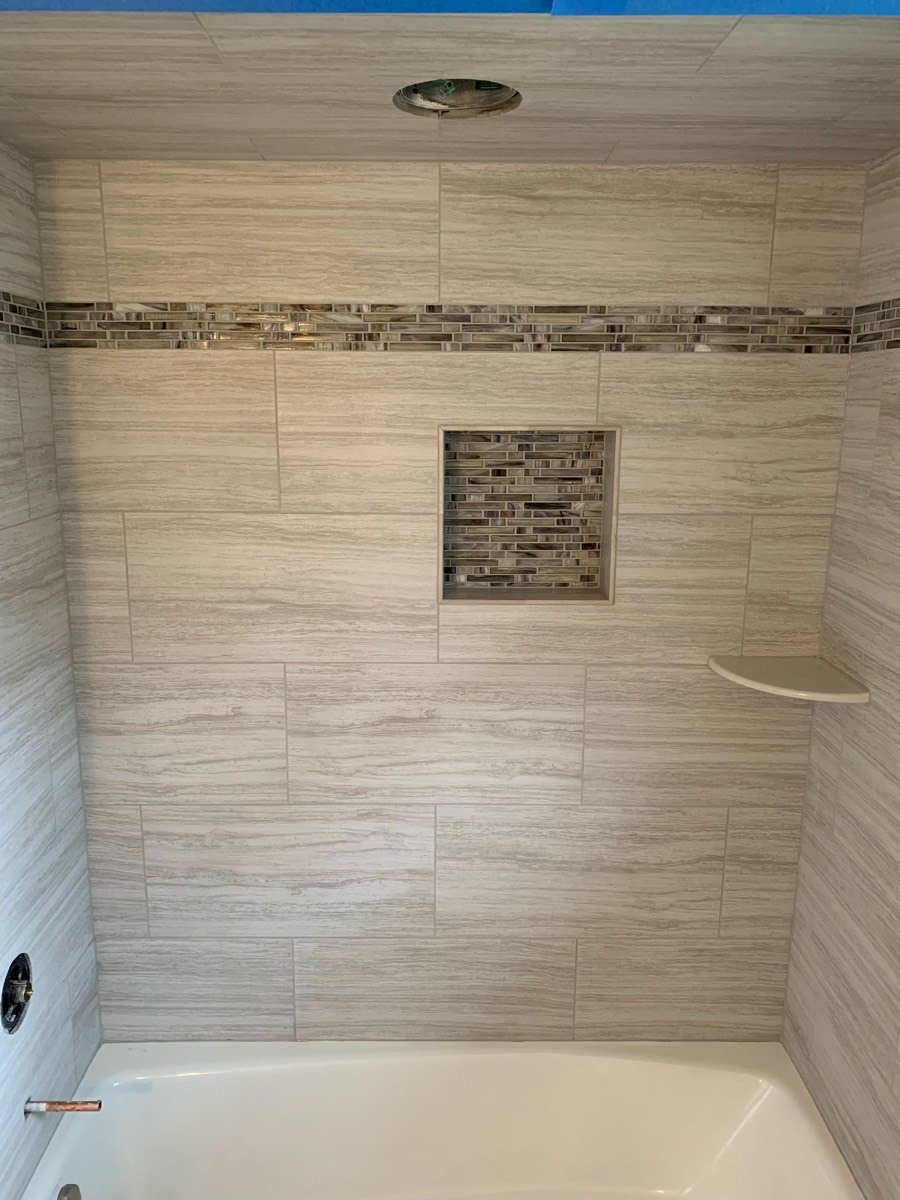
Our Tile Makeover Projects
Professional Wood Look Tile Installation in Milwaukee and Lake Country
Thinking about bringing the look of hardwood into your home with porcelain tile? The Tile Group helps homeowners in the Milwaukee and Lake Country area plan beautiful, practical tile installations.
Whether you are updating a kitchen, renovating a bathroom, or replacing an entryway floor, our team can help you explore materials, plank styles, layouts, and finishes that suit your space.
Ready to get started? Contact The Tile Group to request your free estimate.