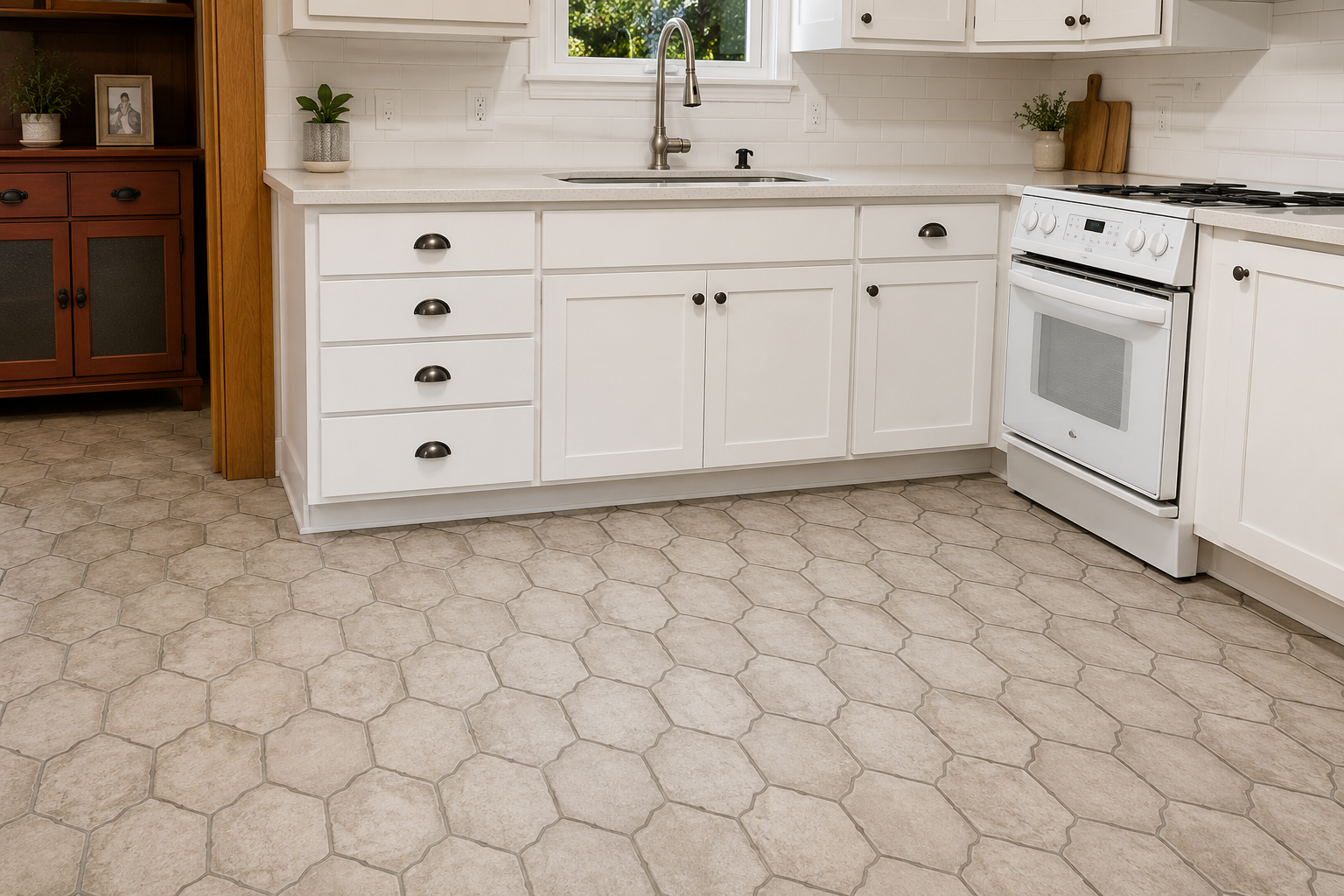
Your kitchen floor has a lot to handle. Between foot traffic, spills, dropped pans, pets, and everyday wear, it’s one of the hardest-working surfaces in your home. Choosing the best tile for kitchen floor isn’t just about finding a style you love—it’s about selecting a material that will stand up to daily life while complementing your home’s design.
Whether you’re remodeling your kitchen or building a new home, this guide will help you understand the best tile flooring options for your kitchen and what to consider before making your decision.
What Makes a Good Kitchen Floor Tile?

The best tile for a kitchen floor should offer a combination of:
- Durability
- Water resistance
- Easy maintenance
- Slip resistance
- Timeless style
Because kitchens are exposed to moisture, heavy appliances, and constant traffic, your flooring needs to perform just as well as it looks.
Porcelain Tile: The Best Overall Choice
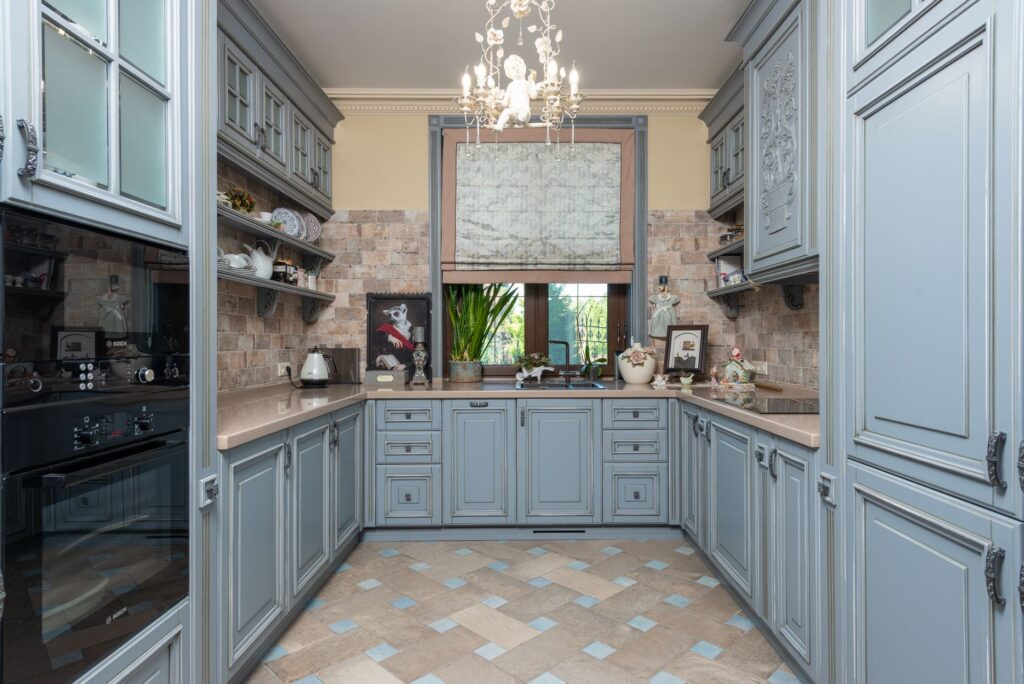
For most homeowners, porcelain tile is the best tile for a kitchen floor.
Porcelain is manufactured at higher temperatures than ceramic tile, making it denser, harder, and less porous. This means it’s exceptionally resistant to scratches, stains, and moisture—perfect for busy households.
Pros
- Extremely durable
- Highly water resistant
- Easy to clean
- Available in countless colors, patterns, and sizes
- Can realistically mimic hardwood, marble, concrete, and natural stone
Cons
- Higher material cost than ceramic
- More difficult to cut during installation
If you’re looking for a long-lasting investment that requires minimal maintenance, porcelain is difficult to beat.
Ceramic Tile: A Budget-Friendly Alternative
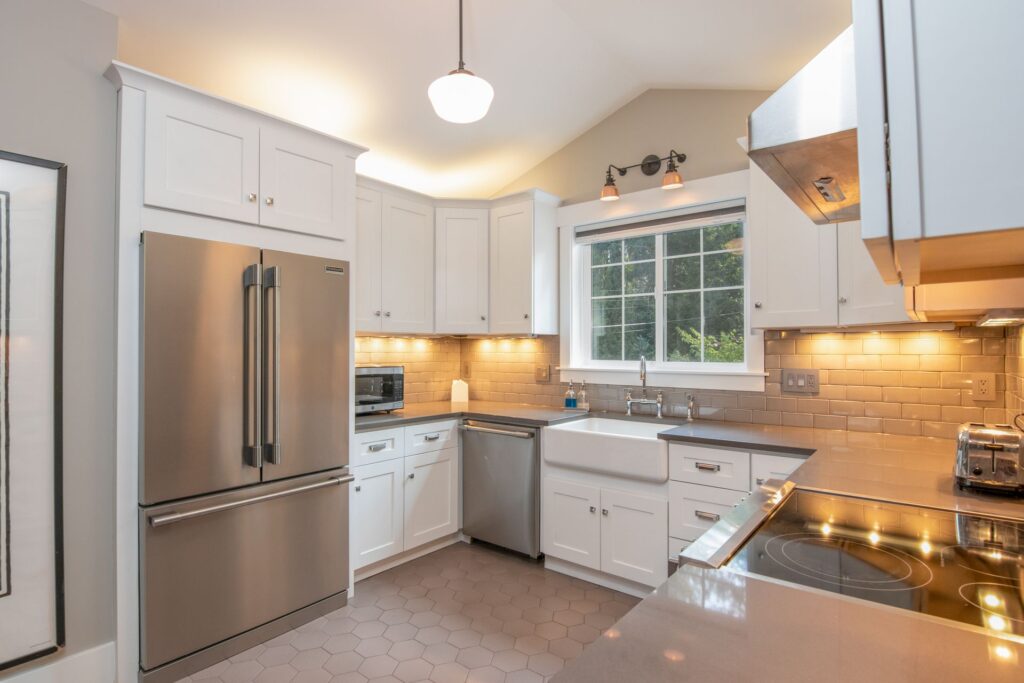
Ceramic tile remains one of the most popular kitchen flooring materials thanks to its affordability and versatility.
While ceramic isn’t quite as dense as porcelain, it’s still an excellent choice for many kitchens, especially those with moderate traffic.
Pros
- Lower cost
- Wide variety of styles
- Easy to maintain
- Comfortable underfoot
Cons
- Slightly more susceptible to chips
- Less water resistant than porcelain
For homeowners looking to balance cost and performance, ceramic tile delivers excellent value.
Natural Stone Tile
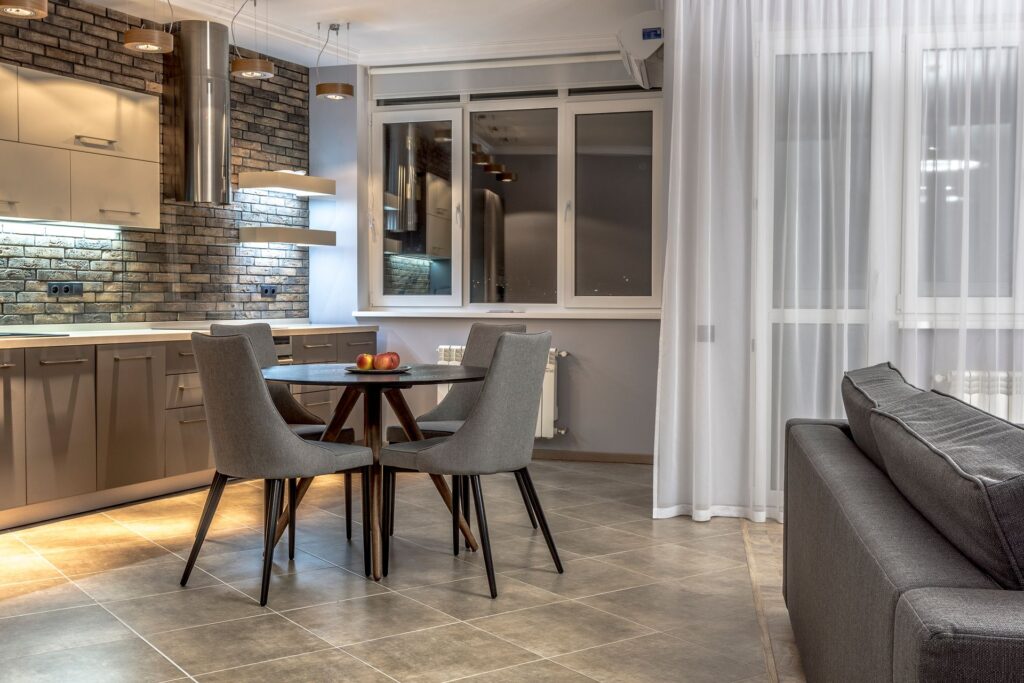
Natural stone creates a luxurious, high-end appearance that’s difficult to replicate.
Popular options include:
- Slate
- Travertine
- Marble
- Limestone
- Granite
Each type of stone has unique characteristics, but most require periodic sealing to protect against stains and moisture.
Natural stone works particularly well in upscale or rustic kitchens where its unique textures and color variations can become a design feature.
Wood-Look Tile
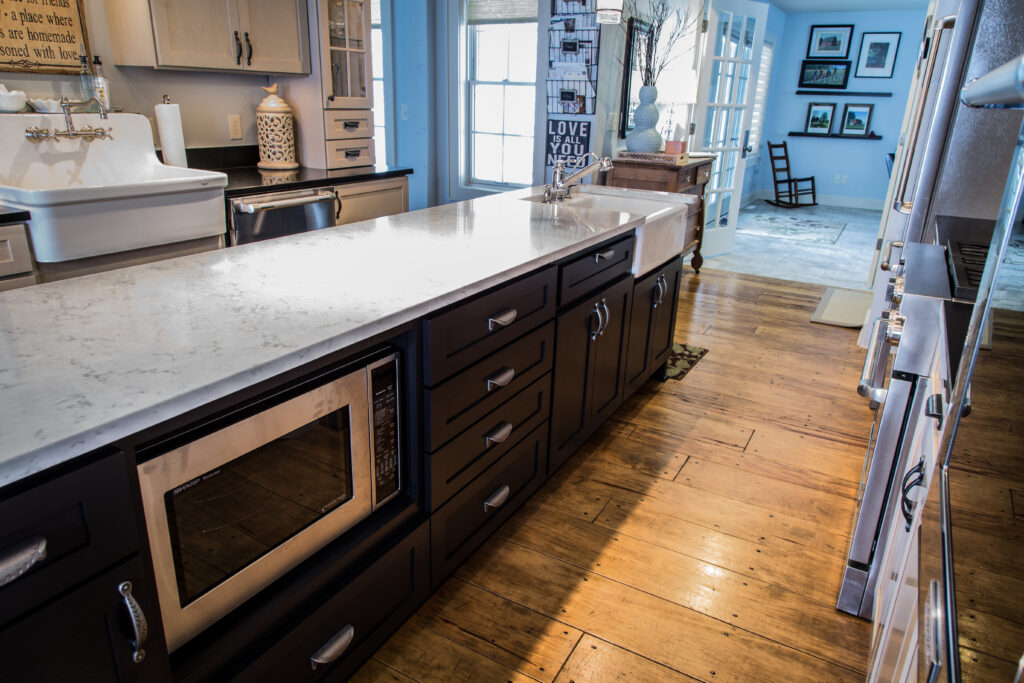
Love the appearance of hardwood but want something more durable?
Wood-look porcelain tile has become one of today’s most popular flooring trends.
It offers:
- The warmth of hardwood
- Water resistance
- Scratch resistance
- Minimal maintenance
- Compatibility with radiant floor heating
For busy families, it provides the beauty of wood without the concerns about moisture damage or refinishing.
Large Format Tile
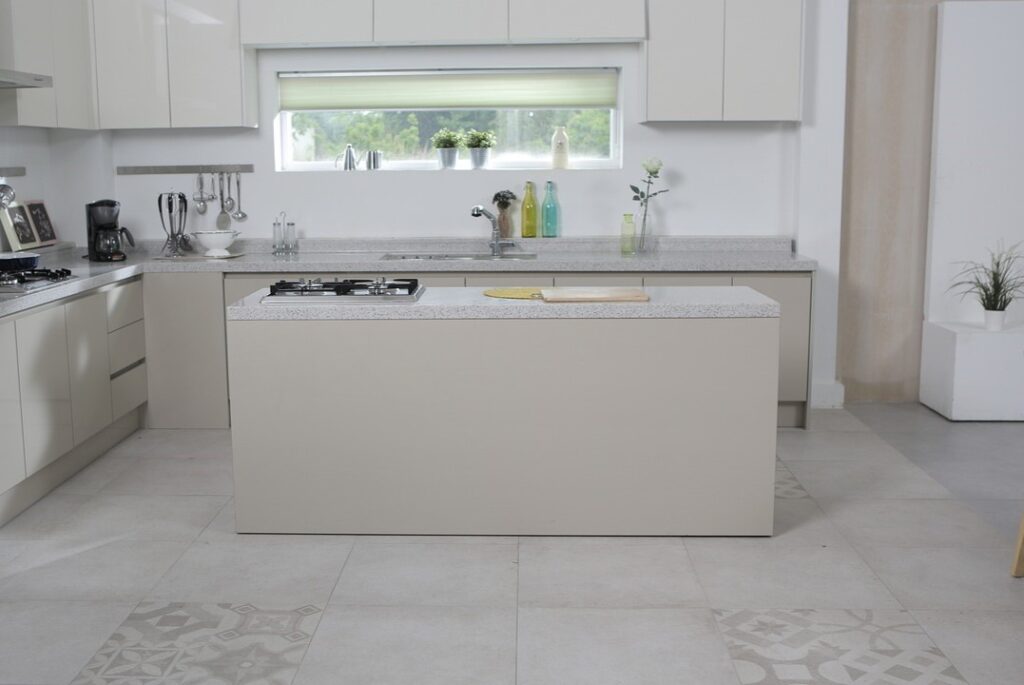
Large format tiles continue to gain popularity in modern kitchens.
Because they use fewer grout lines, they can make a room feel larger while creating a clean, contemporary appearance.
Benefits include:
- Easier cleaning
- Fewer grout joints
- Modern aesthetic
- Spacious visual effect
They’re especially effective in open-concept homes where the flooring flows into adjacent living spaces.
Should Kitchen Floor Tile Be Matte or Polished?
Most designers recommend matte finishes for kitchen floors.
Matte tile provides better traction when wet, helping reduce the risk of slips while hiding dirt, footprints, and everyday wear more effectively than polished finishes.
Polished tile can certainly work, but it’s generally better suited for walls or lower-traffic spaces where slip resistance isn’t as important.
Choosing the Right Tile Size
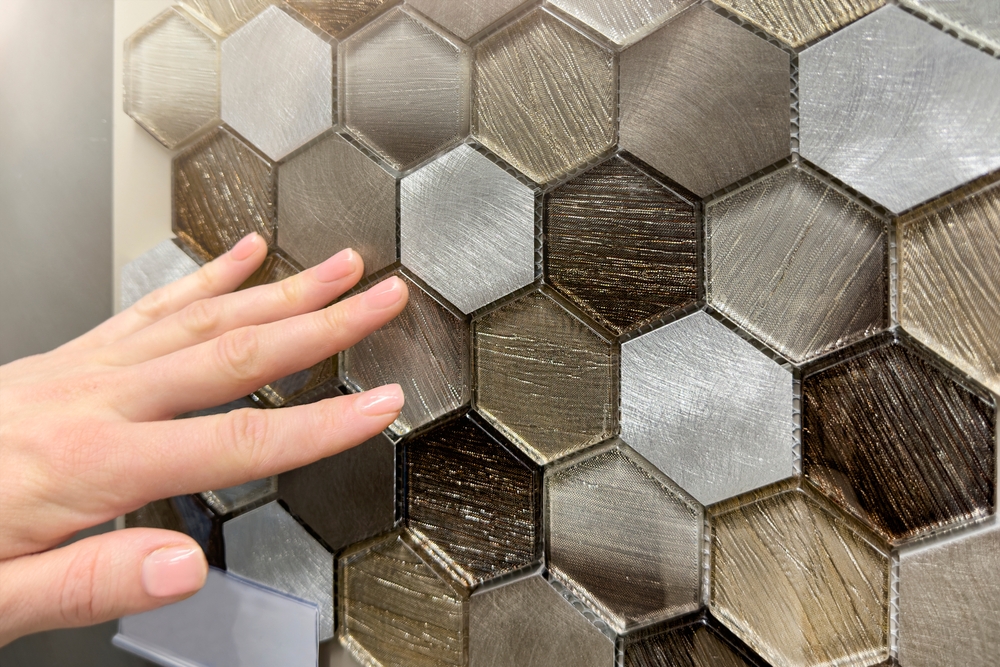
Tile size affects both the appearance and functionality of your kitchen.
Popular options include:
- 12″ × 12″ – Traditional appearance
- 12″ × 24″ – Modern and versatile
- 24″ × 24″ – Great for larger kitchens
- Wood-look planks – Creates the look of hardwood flooring
Larger tiles typically make spaces feel more open because there are fewer grout lines interrupting the floor.
Don’t Forget About Grout
Even the best tile can lose its appeal if paired with the wrong grout.
When selecting grout, consider:
- Color that complements your tile
- Stain-resistant formulations
- Ease of cleaning
- Grout line width
Many homeowners choose medium-gray grout because it hides dirt better than bright white while still creating a clean appearance.
How Much Does Kitchen Floor Tile Cost?
The total cost depends on the tile material, room size, and installation complexity.
Typical material costs include:
- Ceramic tile: lower price range
- Porcelain tile: moderate price range
- Natural stone: premium price range
Professional installation is recommended for most kitchen flooring projects to ensure proper leveling, long-term durability, and warranty protection.
Which Kitchen Floor Tile Is Right for You?
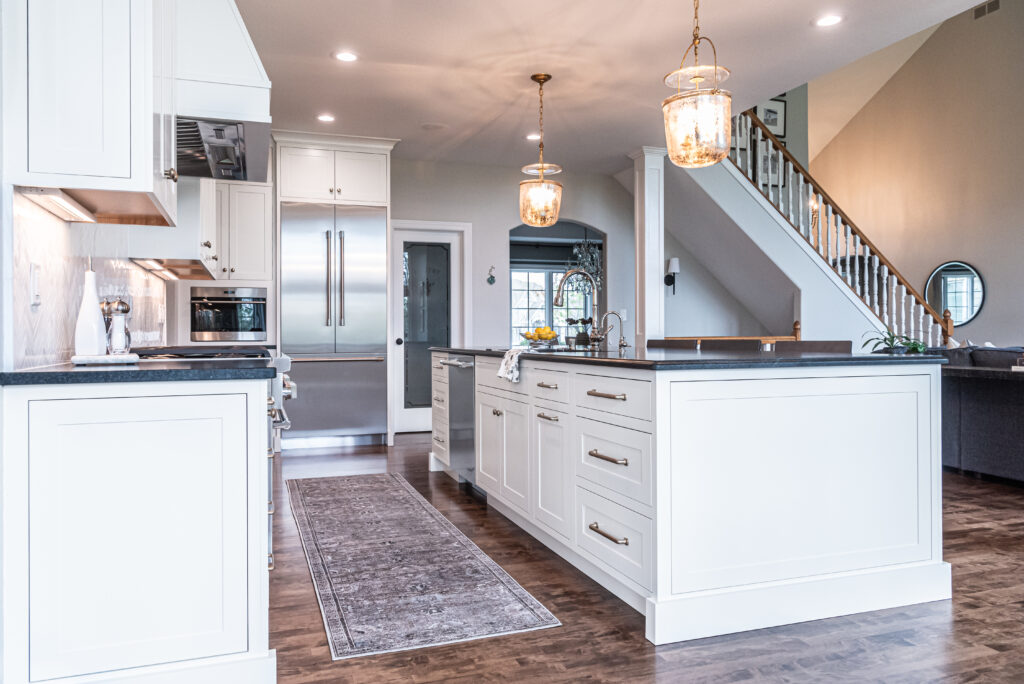
The best tile for your kitchen floor ultimately depends on your priorities.
If you want maximum durability with minimal maintenance, porcelain tile is often the best overall choice.
If you’re working within a tighter budget, ceramic tile offers outstanding value.
If your goal is creating a luxury design statement, natural stone may be the perfect fit.
And if you love the warmth of hardwood without the maintenance, wood-look porcelain tile delivers the best of both worlds.
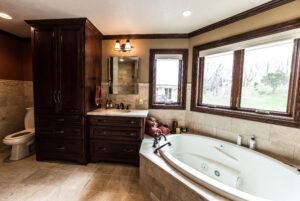
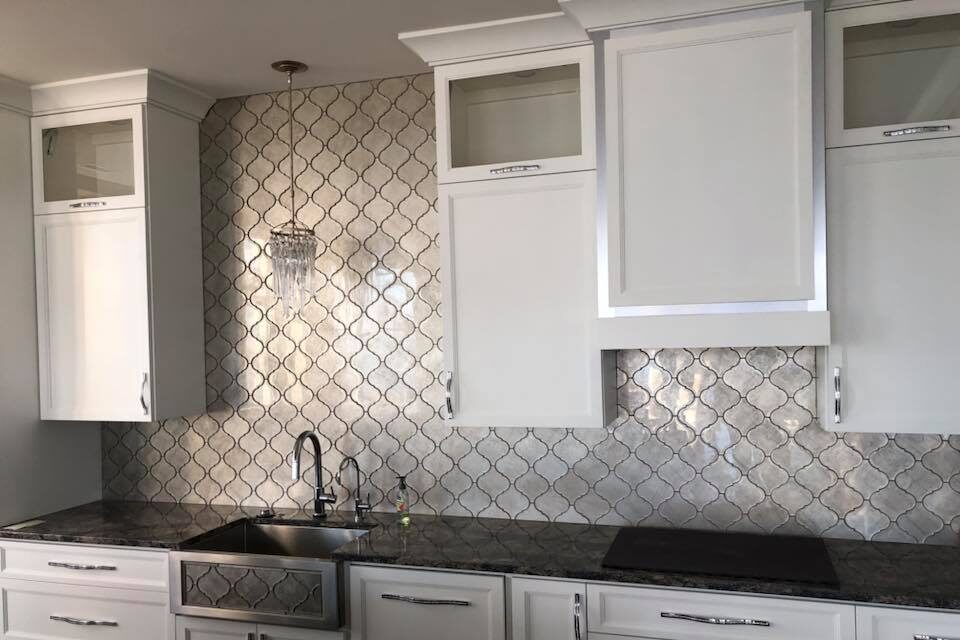
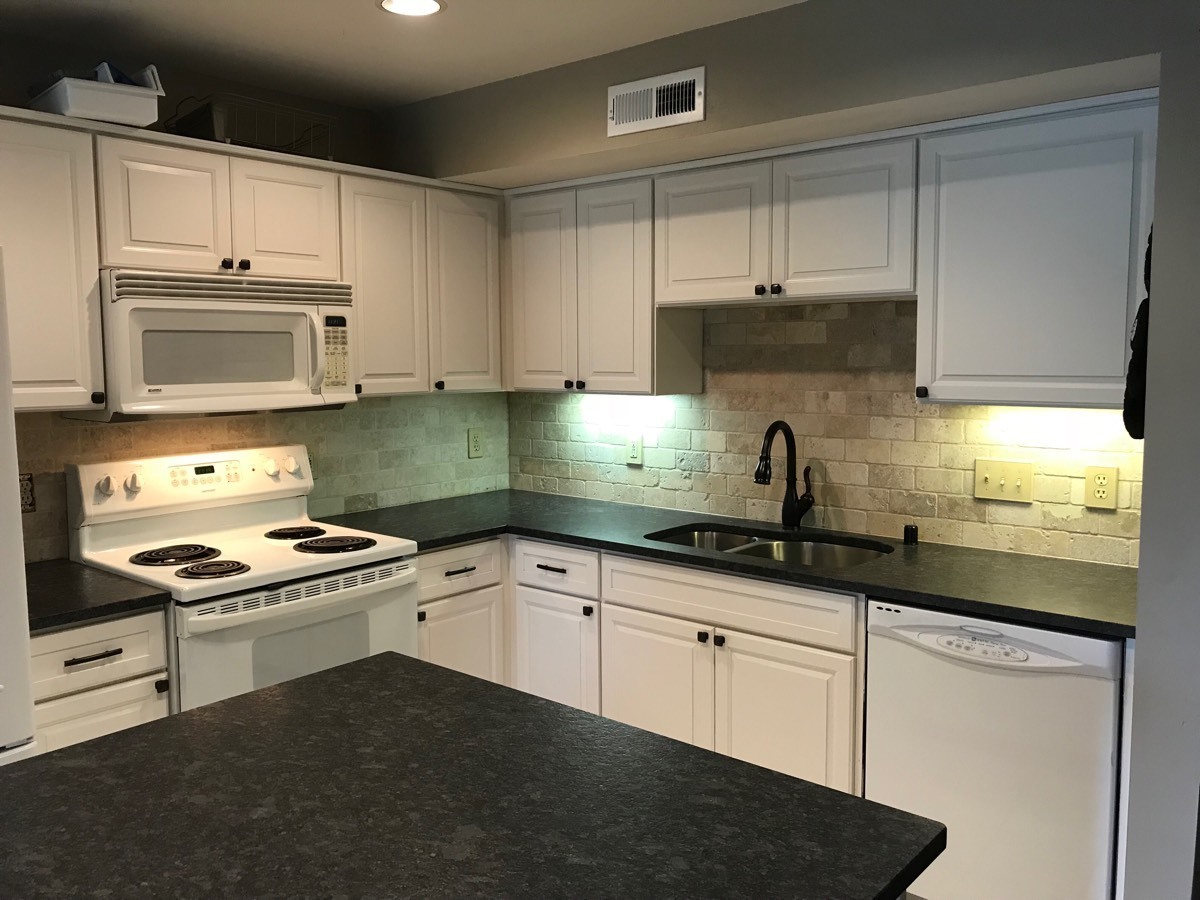
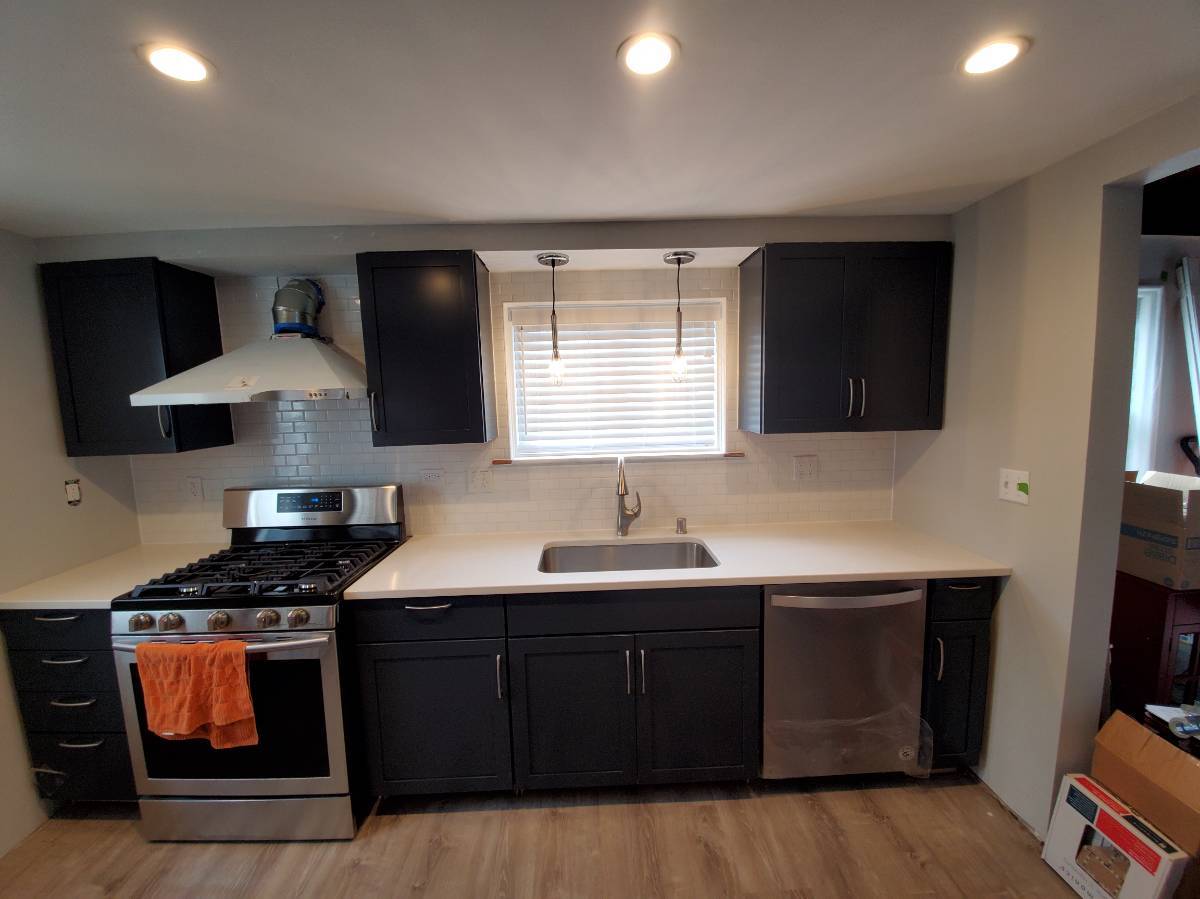
Our Tile Kitchen Makeover Projects
Expert Kitchen Floor Tile Installation in Milwaukee, WI!
At The Tile Group, we help homeowners choose kitchen flooring that fits their style, lifestyle, and budget. Whether you’re looking for timeless porcelain, elegant natural stone, or today’s most popular wood-look tiles, our team can help you explore options and find the right fit for your project.
Visit our showroom or contact us today to start planning your kitchen renovation with confidence.